Industry Knowledge & Research

Botanical Insights & Scientific Trends

In-depth articles, technological advances, and market analyses in the global natural ingredients sector.

0%

Choosing among the 7 best Custom Herbal Formulations starts with a clear purpose, not an impressive label. Buyers may be comparing loose teas, capsules, powders, or blends made for a particular routine. Each format has practical differences. A tea may suit someone who enjoys preparing a cup, while a capsule can be easier to carry. Neither is automatically the better choice.

The details matter. Check the ingredient list, plant names, serving directions, and any cautions. Ask whether the supplier tests identity, purity, and consistency, and whether results are available for review. Reliable information should be specific, not just reassuring. “Natural” is not proof of quality. Nor does a custom blend guarantee a particular result.

There is more to consider. Buyers should disclose relevant allergies and discuss herbal products with a qualified health professional, especially when taking medication or managing a health condition. Individual responses can vary, and evidence for specific blends may be limited. That uncertainty deserves attention, even when the product sounds appealing. A careful comparison can still be useful: weigh the formulation’s purpose, transparency, quality controls, format, and cost. The best option is the one a buyer can understand, verify, and use appropriately—not simply the one with the boldest claims.
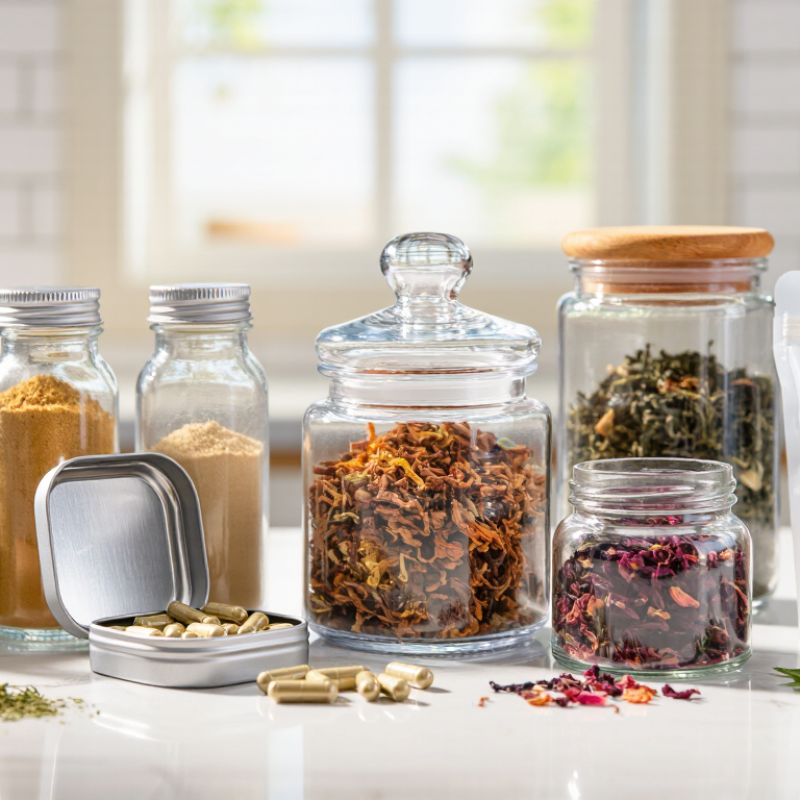
What Are the 7 Best Custom Herbal Formulations for Buyers?

What Makes a Custom Herbal Formulation Suitable for Buyers

A custom herbal formulation suits buyers when its purpose, ingredients, and quality controls are clear. The WHO’s 2019 Global Report on Traditional and Complementary Medicine says 170 of its Member States reported using traditional and complementary medicine. That broad use is not proof that every herbal product works. Buyers still need evidence tied to the specific ingredient, extract, dose, and intended use.

Ask for botanical names, plant parts, extract ratios, and certificates of analysis for identity and contaminants. Check that the proposed dose fits the product format and that stability testing supports its shelf life. The Council for Responsible Nutrition’s 2023 Consumer Survey found that 74% of U.S. adults use dietary supplements; this covers supplements broadly, not herbal products alone. It signals a sizable category, but buyer needs still vary. A tea, capsule, and liquid may suit different routines. Real-world fit can be less tidy.

Tips: Request batch-level testing, clear allergen information, and realistic product claims. Compare the supplier’s documentation with your target market’s requirements. A pleasant taste helps, too.

Seven Custom Herbal Formulation Types for Common Buyer Needs

What Are the 7 Best Custom Herbal Formulations for Buyers?
Seven Custom Herbal Formulation Types for Common Buyer Needs

Custom herbal blends work best when they match a clear need, format, and ingredient preference. Seven common types include restful-evening blends, digestive-comfort blends, seasonal wellness blends, stress-support blends, mobility blends, women’s life-stage blends, and daily vitality blends. Chamomile, ginger, peppermint, and other familiar herbs may suit different formulas, but suitability depends on the buyer and the full ingredient list. A custom blend is not automatically a better blend.

Market interest is substantial: the American Botanical Council’s HerbalGram 139 report estimated U.S. herbal supplement sales at $12.6 billion in 2023, up 4.4% from 2022. This signals demand, not proof that a particular formula works. Buyers should check ingredient identity, serving amounts, allergen information, and quality testing. Some details are easy to overlook.

Tips: Ask for a clear formula rationale and batch-testing documentation. Review possible interactions with medicines or existing conditions with a qualified health professional. Start with a simple blend; more ingredients can make quality and tolerance harder to assess. Freshness matters, too, and it is worth asking how herbs are stored before blending.

Seven Custom Herbal Formulation Types for Common Buyer Needs

How to read this chart: Bars count the example botanicals listed for each formulation type. They are not rankings, sales figures, or evidence of effectiveness.

Example ingredients: Sleep—chamomile, valerian, passionflower, lemon balm; Digestive comfort—ginger, peppermint, fennel; Stress support—lemon balm, lavender, ashwagandha; Seasonal wellness—elderberry, echinacea, ginger; Daily nourishment—nettle, oat straw, rosehip; Topical skin care—calendula, plantain, yarrow; Respiratory comfort—thyme, mullein, marshmallow. Herbal products may interact with medicines; consult a qualified healthcare professional before use.

How to Compare Ingredients, Formats, and Personalization Options

Choosing among seven custom herbal formulation options starts with the label, not the sales claim. Compare each ingredient by its common and botanical name, plant part, amount per serving, and extraction method. A root powder and a concentrated extract are not automatically equivalent. Look for clear sourcing details and batch testing for identity and contaminants. If those details are missing, ask before buying.

Format affects everyday use. Tea may suit someone who enjoys measuring and steeping leaves; capsules offer convenience, while tinctures and powders allow different serving routines. Check serving size, added sweeteners, allergens, and storage instructions. Details count. A formula you cannot use consistently may be a poor fit, even when its ingredient list looks appealing. Compare single-herb products with blends, too: blends can be convenient, but may make ingredient amounts harder to evaluate.

Personalization should mean more than a custom label. Useful questions include which ingredients can be adjusted, how preferences are documented, and whether a qualified practitioner reviews the formula. A useful caveat: personalization can sound more precise than the evidence supports. Herbal products may interact with medicines, and safety can vary with health conditions or pregnancy. Ask a healthcare professional before use, especially when changing an existing care plan.

Safety, Quality, and Regulatory Checks Before Purchasing

A custom herbal formulation should be judged by its paperwork as carefully as by its ingredient list. The American Botanical Council’s 2023 Herb Market Report recorded US herbal supplement sales of about $12.6 billion in tracked retail channels. A large market offers choice, but it also makes clear sourcing important. Ask for the botanical’s Latin name, plant part, country of origin, and extraction details. “Herbal extract” alone is vague.

Check that a batch-specific certificate of analysis identifies the tested lot and gives results for identity, strength, microbes, heavy metals, and pesticide residues. A generic certificate is not enough. Small details matter. The World Health Organization’s 2019 Global Report on Traditional and Complementary Medicine found that 124 member states reported laws or regulations covering herbal medicines. Requirements still differ by market, so verify that labeling and claims meet the rules where the product will be sold.

Before purchasing, look for documented quality controls, traceable suppliers, and testing methods matched to the ingredients. Ask who performed the tests and whether the report covers the finished blend, not just its raw materials. A polished certificate is reassuring, not proof of every batch. If a formula is intended for personal use, review possible medicine interactions with a qualified healthcare professional; “natural” does not mean risk-free. Some suppliers may not share every detail promptly, and that hesitation deserves a closer look.

What Are the 7 Best Custom Herbal Formulations for Buyers? - Safety, Quality, and Regulatory Checks Before Purchasing

“Best” depends on the intended use, health conditions, medicines, and product quality. These examples are buyer research categories, not treatment recommendations. Evidence for many herbal uses is limited or mixed. Regulatory notes below refer to the United States; rules differ by country.

Formulation Category Common Botanical Ingredients Evidence and Intended Use Key Safety Checks Quality Checks Before Buying Regulatory and Label Checks (U.S.)
1. Digestive comfort blend Ginger rhizome and peppermint leaf or oil Ginger may help with some types of nausea. Peppermint oil has evidence for easing symptoms of irritable bowel syndrome in some people, but results depend on the preparation. Peppermint may worsen heartburn or reflux. Check with a healthcare professional before use if pregnant, taking medicines, or managing a digestive condition. Confirm the peppermint form (leaf versus oil), ginger plant part, amount per serving, and whether the product is designed for delayed release if it contains peppermint oil. Check that claims describe general support rather than diagnosing, treating, curing, or preventing a disease. Dietary supplements are not FDA-approved for safety and effectiveness before marketing.
2. Stress-support blend Ashwagandha root; sometimes paired with lemon balm Some studies suggest ashwagandha may support perceived stress or sleep, but research is limited and does not establish it as a treatment for anxiety or other disorders. Avoid during pregnancy unless a clinician advises otherwise. Ashwagandha may affect thyroid or immune conditions and has been linked to rare liver injury. Review potential medicine interactions. Look for the exact species and plant part, extract details, and testing for identity and contaminants. Avoid products that conceal ingredient amounts in a proprietary blend. Check the full Supplement Facts panel, serving size, warnings, and manufacturer contact details. A supplement’s marketing claims are not proof of FDA review or approval.
3. Evening relaxation blend Valerian root, lemon balm leaf, or chamomile flower Evidence for valerian as a sleep aid is inconsistent. Chamomile and lemon balm are traditionally used for relaxation, but strong clinical evidence for treating insomnia is lacking. These herbs may cause drowsiness. Do not combine with alcohol or sedating medicines without professional advice. Chamomile may trigger reactions in people allergic to related plants. Check botanical names, plant parts, ingredient quantities, and testing for microbial contamination. Confirm whether the product contains additional sedative ingredients. Be cautious of claims promising to cure insomnia or replace prescribed care. U.S. supplement labels should identify ingredients and provide required nutrition and business information.
4. Turmeric-based joint comfort blend Turmeric rhizome extract (curcuminoids), optionally with ginger Research on curcumin for pain and inflammation-related symptoms is ongoing; findings vary by condition and formulation. It should not be presented as a proven treatment for arthritis. Use caution with gallbladder or bile-duct problems and with medicines that affect blood clotting. Some enhanced-absorption ingredients, such as piperine, can alter how medicines are processed. Check stated curcuminoid content, extract details, ingredient amounts, and testing for heavy metals, pesticides, and adulterants. Review any absorption-enhancing ingredients separately. Confirm that structure/function wording is not framed as a disease-treatment claim. In the U.S., manufacturers are responsible for product safety and truthful labeling; FDA does not pre-approve supplements.
5. Seasonal wellness blend Elderberry fruit and echinacea root or aerial parts Evidence that these ingredients prevent or shorten respiratory infections is limited and inconsistent. They should not be relied on to treat infections or replace medical care. People with allergies to related plants or autoimmune conditions should seek professional advice. Raw or unripe elderberries and other plant parts can be harmful; use only appropriately processed products. Verify the elderberry species and fruit part, processing information, ingredient amounts, and testing for identity and contaminants. Check that the product clearly distinguishes fruit from other plant parts. Reject claims that a supplement prevents or cures flu, colds, or other diseases. Disease-treatment claims can make a product subject to drug regulations.
6. Milk thistle liver-support blend Milk thistle fruit extract (silymarin-containing extract) Milk thistle has been studied for liver conditions, but evidence is not conclusive enough to establish it as a treatment for liver disease. It may cause digestive symptoms or allergic reactions, especially in people sensitive to plants in the daisy family. Review possible interactions with a pharmacist or clinician. Check the declared amount of extract and silymarin, botanical identity, plant part, and independent testing documentation. Do not assume “liver support” means clinically proven benefit. Claims must not state or imply that the product treats hepatitis, liver damage, or another disease. A disclaimer does not make an otherwise unlawful disease claim acceptable.
7. Cranberry urinary wellness blend Cranberry fruit extract, sometimes combined with other botanicals Some evidence suggests cranberry products may help reduce recurrent urinary tract infections in certain groups, but they do not treat an active infection. Seek medical care for possible UTI symptoms. People taking warfarin or managing kidney stones should ask a healthcare professional about suitability and interactions. Check whether the label states the cranberry ingredient amount and the basis for any proanthocyanidin (PAC) claim. Look for identity, contaminant, and batch-testing documentation. Do not rely on supplement claims to diagnose or treat a UTI. Review serving directions, warnings, and the complete ingredient list; rules and permitted claims vary by market.

General purchasing checks: Request a batch-specific certificate of analysis from a qualified laboratory where available; verify botanical identity, plant part, ingredient amounts, and testing for heavy metals, pesticides, microbes, and undeclared substances. In the U.S., dietary supplement manufacturing is subject to FDA current good manufacturing practice requirements (21 CFR Part 111), but compliance or third-party testing is not the same as FDA approval. Consult a qualified healthcare professional before use if pregnant, breastfeeding, managing a health condition, or taking medication.

How to Match a Formulation to Your Needs and Preferences

Choosing among seven custom herbal formulations starts with a clear goal, not the longest ingredient list. Consider whether you want a caffeine-free daytime blend, a gentle evening tea, or a warming drink after meals. Other options may focus on seasonal routines, refreshing flavor, topical use, or a simple single-herb preparation. These are preference categories, not promises to treat health conditions. Taste matters. A bitter blend may look appealing on paper but sit unused in your cupboard.

Check the full ingredient list, serving directions, and sourcing information before buying. Ask whether the supplier tests for identity and contaminants, and whether each herb’s amount is disclosed. Keep it simple.

If you take medication, have allergies, are pregnant, or manage a health condition, ask a qualified clinician before trying a new blend.

Also check the format: loose leaves need a strainer and time, while tea bags are easier to carry. Capsules may avoid strong flavors, but they offer less control over preparation.

A polished label is not enough; clear answers matter more. I would not assume “custom” means better. Match the formula to your routine, budget, and flavor preferences, then review how it fits into your day.

FAQS

What are the seven common types of custom herbal blends?

They include restful-evening, digestive-comfort, seasonal-wellness, stress-support, mobility, women’s life-stage, and daily-vitality blends. These categories describe common preferences, not guaranteed effects.

How should I compare ingredients in a custom blend?

Check each herb’s common and botanical name, plant part, amount per serving, and extraction method. Root powder and concentrated extract are not automatically equivalent. Details matter.

Which format may fit my daily routine?

Tea involves measuring and steeping; capsules may be more convenient. Powders and tinctures offer different routines. Choose a format you can use consistently.

Does personalization mean a formula is more effective?

Not necessarily. Ask which ingredients can be adjusted and whether a qualified practitioner reviews the formula. A custom label alone proves little.

What quality documents should I request before buying?

Ask for sourcing details and a batch-specific certificate of analysis. It should identify the tested lot and report relevant quality results. A generic document may not be enough.

What should a batch test cover?

Ask whether testing checks identity, strength, microbes, heavy metals, and pesticide residues. Also ask if the finished blend was tested, not only its raw herbs.

Are herbal blends always safe because they are natural?

No. Herbs may interact with medicines, and suitability can vary with health conditions or pregnancy. Ask a qualified health professional before use.

How can I tell whether a blend is a practical fit?

Consider serving size, allergens, added sweeteners, storage instructions, and ingredient amounts. A long ingredient list can make tolerance harder to assess. Simpler may be easier.

Why ask how herbs are stored before blending?

Storage can affect freshness and handling. Ask for clear instructions and sourcing information. If answers are vague, pause and look closer.

Conclusion

Choosing the right Custom Herbal Formulations begins with understanding what you want from a product, such as everyday wellness support, relaxation, digestive comfort, or a convenient way to include herbs in your routine. Common options may include single-herb blends, multi-herb combinations, teas, powders, capsules, liquid extracts, and personalized mixes. The best choice depends on the ingredients, preparation style, taste, and level of customization that suit your preferences.

Before purchasing, compare ingredient lists, serving directions, sourcing information, and available formats. Look for clear quality practices, appropriate testing, and transparent safety guidance, and check whether the product may interact with medicines or be unsuitable for your circumstances. A thoughtful match balances your goals with practical factors such as convenience, budget, and tolerance. When in doubt, consult a qualified healthcare professional, especially if you have a health condition, take medication, or are considering herbs for a specific concern.

Jackson

Jackson

Jackson is a dedicated marketing professional with extensive expertise in our company’s product offerings. With a keen understanding of market trends and consumer needs, he plays a pivotal role in shaping our brand's narrative and outreach. His passion for innovation is reflected in the regular......