Blog
Why Gut Health Supplement Ingredients Matter to Buyers?
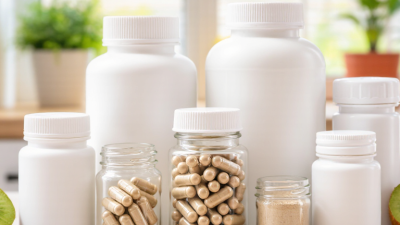
Gut health supplements now compete in a crowded market, where ingredient labels can shape trust before a buyer opens the bottle. Grand View Research valued the global probiotics market at US$77.12 billion in 2023. That figure covers a broader market than supplements alone, but it signals the category’s commercial scale. The Council for Responsible Nutrition’s 2023 Consumer Survey found that 74% of U.S. adults use dietary supplements. That figure is not specific to gut health. Still, it helps explain why shoppers increasingly compare strains, doses, and supporting evidence.
Ingredient quality is more than a fashionable label claim. The National Institutes of Health’s Office of Dietary Supplements notes that probiotic effects can vary by strain and intended use. A product’s fine print matters: genus, species, strain, viable count, and storage guidance can all affect what buyers understand. In an ISAPP consensus statement, probiotic scientist Mary Ellen Sanders and fellow authors define probiotics as “live microorganisms that, when administered in adequate amounts, confer a health benefit on the host.” That is a precise standard, not a promise that every product works for every person. Details matter. Yet labels may still leave buyers unsure how evidence applies to their own needs. This gap makes transparent sourcing, clear dosage information, and credible research central to purchasing decisions. For brands, Gut Health Supplement Ingredients are not simply a formulation choice; they are part of the evidence buyers use to judge whether a product deserves their confidence. A careful comparison can help, though no label removes the need for a little skepticism.
Read more »
 By:Madeline
- September 30, 2026
By:Madeline
- September 30, 2026
Which Specialty Nutraceutical Ingredients Are Top in 2026?
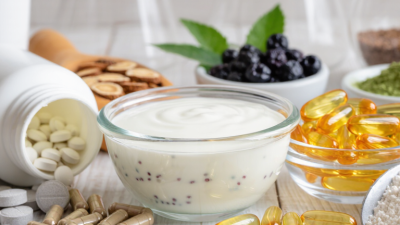
Specialty Nutraceutical Ingredients are moving from supporting roles into the spotlight, as consumers look for targeted benefits and clearer evidence. The Council for Responsible Nutrition’s 2024 Consumer Survey found that 75% of U.S. adults use dietary supplements. McKinsey’s 2024 Future of Wellness research reported that 82% of U.S. consumers consider wellness a top or important priority. These figures signal demand, but they do not prove that every trending ingredient works. That distinction matters.
For 2026, this overview examines ingredients attracting commercial and scientific attention, including probiotics, omega-3s, creatine, magnesium, and plant-derived bioactives. It considers evidence quality, formulation needs, and how well products communicate their intended use. CRN’s Andrea Wong, senior vice president of scientific and regulatory affairs, has emphasized the importance of science-based, responsible supplement information. Her point offers a useful test: follow the evidence, not the noise. A polished label alone is not proof. Nor does popularity settle questions about dose, source, or suitability. Ingredient rankings also vary by region and report, so any “top” list needs context. Some trends will last; others may fade before the next product cycle. That uncertainty is worth keeping in view.
Read more »
 By:Sophia
- September 25, 2026
By:Sophia
- September 25, 2026

10 Tips for Buying Natural Essential Oils in Bulk?
Buying Natural Essential Oils in bulk can reduce packaging waste and unit costs. It can also magnify every sourcing mistake. A cloudy drum, weak aroma, or missing document affects hundreds of products. This guide introduces 10 practical tips for evaluating suppliers, quality, pricing, storage, and traceability before placing a large order.
Market demand is expanding. Grand View Research valued the global essential oils market at approximately USD 21.79 billion in 2023 and projects strong growth through 2030. Fortune Business Insights reports a different market value and forecast period, reminding buyers that market definitions vary. The numbers are useful, but not absolute. Product categories, regional coverage, and research methods can change the result. Buyers should examine the methodology behind every industry report.
Quality requires more than a pleasant scent. Experienced procurement teams request botanical names, plant parts, extraction methods, origin details, lot numbers, and recent certificates of analysis. Gas chromatography–mass spectrometry reports can help verify chemical profiles, although they do not prove every aspect of authenticity. ISO 9235 provides recognized terminology for aromatic natural raw materials, while IFRA standards guide fragrance safety practices. These references support better decisions, not automatic compliance.
A reliable supplier should explain harvest timing, filtration, storage temperature, and shelf life clearly. Ask for a sample first. Smell it on a blotter, then review its documents. Compare batch results, not just marketing claims. Organic certification may matter, but the correct standard depends on your market and intended use. Some assumptions will be wrong. Recheck them. This article offers a practical framework for buying responsibly, while acknowledging that testing, regulations, and supplier performance require continuing review.
Read more »
By:Sophia
- September 20, 2026
2026 How to Source Quality Spice Extracts and Oleoresins?
In the competitive world of food manufacturing, sourcing quality spice extracts and oleoresins is critical. According to industry expert Dr. Sarah Lin, "Quality in spice extracts and oleoresins can define the final product's success." Her insights underscore the importance of understanding the sourcing process.
Spice extracts and oleoresins offer a blend of flavor and aroma. These natural compounds are essential for food, cosmetics, and pharmaceuticals. Identifying reliable suppliers can be challenging. Many factors can affect quality, such as growing conditions and extraction methods.
The market demands consistency and quality. Without proper sourcing, standardization becomes nearly impossible. Invariably, some suppliers may prioritize cost over quality. Therefore, companies must adopt rigorous standards. The consequences of poor sourcing can undermine product integrity. This reflection highlights the necessity of due diligence in the selection of spice extracts and oleoresins.
Read more »
 By:Jackson
- August 19, 2026
By:Jackson
- August 19, 2026
The Best Botanical Extract Ingredients for Global Buyers in 2026?
In the ever-evolving landscape of health and wellness, the demand for high-quality Botanical Extract Ingredients is on the rise. Experts predict that by 2026, these natural components will play a crucial role in various industries, from dietary supplements to cosmetics. Dr. Jane Thompson, a leading authority in plant-based innovations, stated, “The future of health will heavily rely on the efficacy of botanical extracts.” Her insights underline the pressing need for buyers to understand these ingredients deeply.
Navigating the world of Botanical Extract Ingredients can be challenging. Many products claim to be natural but lack transparency. Buyers must discern which extracts offer genuine benefits and how to source them responsibly. Knowing the differences among various botanical extracts is vital, as quality can significantly impact effectiveness.
As we approach 2026, the industry faces questions about sustainability and sourcing practices. Not all suppliers prioritize ethical harvesting. Global buyers must reflect on their choices and strive for accountability. Embracing high standards in Botanical Extract Ingredients is not just a trend; it is essential for building a healthier future. The commitment to quality, transparency, and ethical practices will define the path forward.
Read more »
By:Jackson
- August 19, 2026

10 Best Benefits of Silybum Marianum Extract for Health?
Silybum Marianum Extract, derived from the milk thistle plant, has garnered significant attention in the health industry. According to Dr. Emily Harrison, a renowned herbal medicine expert, “Silybum Marianum Extract is a potent ally for those seeking natural health solutions.” This extract is primarily known for its liver-supporting properties. Many studies highlight its potential in promoting liver regeneration and detoxification.
Beyond liver health, Silybum Marianum Extract offers a range of benefits that contribute to overall wellness. It is believed to have antioxidant properties, protecting the body from free radicals. Some users report improvements in skin health and digestion, showcasing its versatility. However, it is essential to approach these claims critically. Not all individuals experience the same level of benefit. Personal body chemistry plays a significant role in how one reacts to herbal extracts.
Despite these complexities, the allure of Silybum Marianum Extract is evident. Many are exploring its potential to enhance their health journey. Understanding both the benefits and the limitations is crucial. As research continues, the holistic community remains attentive to the emerging science surrounding this powerful extract.
Read more »
By:Madeline
- August 19, 2026