Global buyers are rethinking how spices move from origin farms to finished products. Pure Spice Oleoresins offer a concentrated, traceable alternative to conventional ground spices. They capture characteristic aroma, color, and flavor in measured quantities. This can simplify formulation and reduce storage volume. A small amber bottle may replace several cartons of powdered material.
Market evidence supports careful evaluation. Grand View Research identifies food and beverage applications as major demand drivers for spice extracts and oleoresins. Its market analysis also links growth with clean-label expectations and consistent flavor delivery. Meanwhile, FAO and WHO food-safety guidance emphasizes contamination control, hygienic processing, and verified supply chains. These principles matter when buyers source across multiple regions.
Consistency is the practical advantage. A qualified supplier can provide batch specifications, botanical identity, extraction details, solvent declarations, and microbiological results. Codex standards and relevant ISO methods offer useful reference points for sampling and testing. Documentation should include pesticide residues, heavy metals, allergens, and country of origin. These details protect both product quality and commercial credibility.
Still, oleoresins are not automatically better. Extraction conditions can alter volatile compounds, and “natural” does not guarantee uniform performance. Supplier claims require independent verification. Buyers should compare chromatographic profiles, sensory results, and stability data under real storage conditions.
The strongest sourcing decision combines science with experience. It considers harvest variation, transport temperature, packaging integrity, and local regulatory requirements. For global procurement teams, Pure Spice Oleoresins can provide reliable flavor performance, but only when traceability and testing remain non-negotiable. Forecasts differ. That is worth remembering.
What Are Pure Spice Oleoresins?
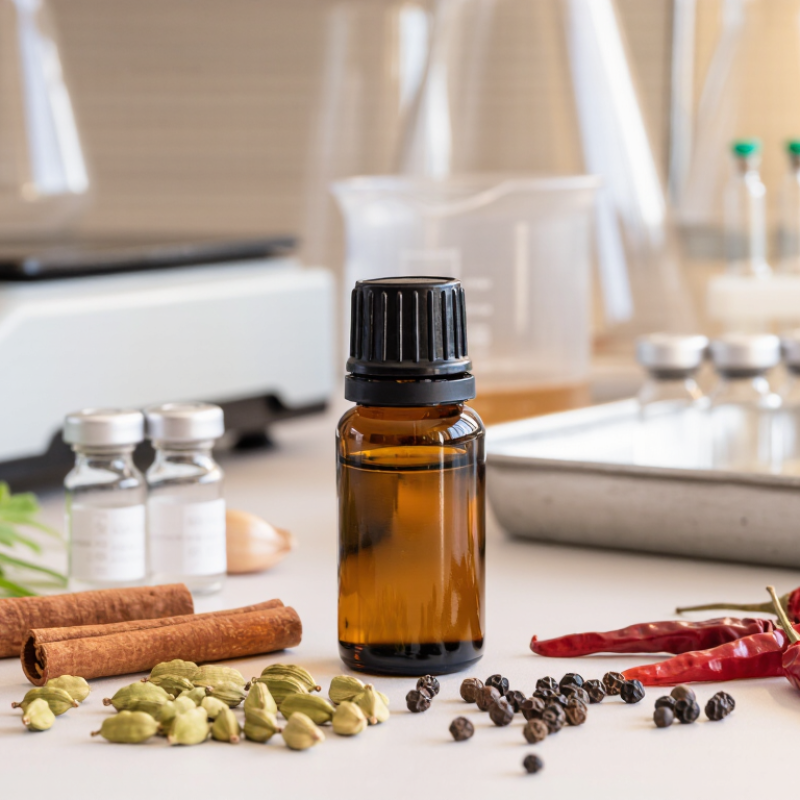
Pure spice oleoresins are concentrated extracts made from dried spices such as paprika, black pepper, turmeric, or ginger. They contain both volatile oils and nonvolatile compounds, preserving aroma, color, pungency, and characteristic flavor in a compact form.
The process usually involves extracting the spice with a suitable solvent, followed by filtration and solvent removal. Some producers use carbon dioxide extraction for selected applications. The result is stronger than ground spice, so small amounts can flavor sauces, snacks, marinades, and seasoning blends.
Purity requires more than a clear appearance. Experienced buyers review botanical identity, extraction method, moisture, microbiological results, heavy-metal limits, and residual-solvent data. Chromatographic testing can help confirm key markers, while sensory checks reveal stale, burnt, or unusually weak notes. A reliable supplier should also provide batch records and traceability from harvest to shipment.
Natural variation remains.
Weather, soil, storage, and harvest timing can change color and strength. Even well-controlled oleoresins may show slight batch differences, which complicates global formulation work. I would not treat “pure” as an automatic guarantee. Specifications, independent testing, and practical performance should support that claim. For international sourcing, stable documentation and careful sample comparison matter as much as price.
How Are Pure Spice Oleoresins Produced?
Why Choose Pure Spice Oleoresins for Global Sourcing?
How Are Pure Spice Oleoresins Produced?
Pure spice oleoresins begin with carefully selected, fully identified raw spices. Suppliers inspect moisture, color, aroma, and foreign matter before processing. The spices are cleaned, dried, and milled to expose their natural compounds. Particle size matters. It affects extraction efficiency and batch consistency.
Manufacturers then extract the ground spice using permitted food-grade solvents or supercritical carbon dioxide. The extract is filtered, and the solvent is recovered under controlled temperature and pressure. Gentle processing helps protect volatile oils, pigments, and pungent compounds. The concentrated oleoresin is standardized against measurable markers, such as curcuminoids or piperine. Independent laboratories commonly verify identity, microbial quality, heavy metals, pesticide residues, and residual solvents. ISO 22000-based controls can strengthen traceability across international supply chains.
FAO’s State of Food and Agriculture 2019 estimated that 14% of food is lost between harvest and retail. Better drying and controlled extraction may reduce avoidable losses, although oleoresins do not solve every supply problem. UNEP’s Food Waste Index Report 2024 estimated 1.05 billion tonnes of food waste in 2022. That figure reminds buyers to examine yield, storage, and transport, not only price.
Tips: Ask for the botanical name, extraction method, marker specification, batch test report, and storage conditions. Do not accept “pure” without measurable criteria. A realistic specification should also address natural variation between harvests.
What Quality Standards Define Pure Spice Oleoresins?
Pure spice oleoresins should begin with verified botanical identity, not attractive color alone. Each batch needs the correct plant species, plant part, and origin documented. A clear extraction record matters too. It shows how flavor compounds were concentrated and handled.
Quality testing should cover solvent residues, pesticides, heavy metals, microbes, and unauthorized dilution. Suppliers should provide current certificates of analysis from qualified laboratories. Testing methods must match the product and destination market. A strong specification also lists marker compounds, volatile oil content, moisture, and density.
Sensory checks remain useful. A sample should smell like the spice, not like a sharp processing solvent. It should look consistent in a glass vial.
Traceability separates reliable sourcing from convenient purchasing. Batch numbers should connect raw materials, processing dates, test results, and shipping records. Food safety systems such as HACCP and good manufacturing practices support this control, but certificates alone are not enough. The word “pure” can mislead. It does not automatically prove botanical authenticity or stable performance. Buyers should compare retention samples across deliveries and review changes in aroma or color. Small differences may reveal seasonal variation, oxidation, or weak storage practices.
There is room for caution. No single test detects every adulteration risk. Independent verification may be worth the extra time.
Packaging should block heat, light, oxygen, and moisture, especially during long global transit. A dependable oleoresin is documented, tested, traceable, and still convincing when opened months later.
Why Use Pure Spice Oleoresins in Global Sourcing?
Pure spice oleoresins can simplify global sourcing when consistency matters. They concentrate the characteristic aroma, color, and flavor of spices in a compact format. This reduces bulk handling and may improve storage efficiency during long international shipments.
In practical sourcing, the value begins with clear specifications. Buyers should request botanical identity, extraction details, country of origin, and a current certificate of analysis. Testing should cover active flavor markers, microbiological quality, pesticide residues, allergens, and residual solvents where relevant. Lot traceability also matters. A sealed drum is not enough evidence. Reliable suppliers should explain how they manage harvest variation, filtration, filling, and storage temperatures.
Pure oleoresins support accurate formulation. A small measured dose can replace larger quantities of dried spice, which helps control batch-to-batch flavor. They also reduce problems caused by moisture, dust, and uneven grinding. Still, “pure” is not a magic word. It needs a defined specification and independent verification. A strong aroma may not match every market’s sensory preference. Some extracts can also darken, separate, or lose freshness if stored poorly. Global regulations differ, so documentation must be checked for each destination. This step is easy to underestimate. Careful buyers compare samples, technical data, and production performance before making a long-term commitment.
How to Evaluate Suppliers and Manage International Purchasing?
Pure spice oleoresins offer concentrated flavor, color, and aroma for global food manufacturing. Yet international purchasing depends on more than price or a polished website. A reliable supplier should provide clear botanical names, extraction details, carrier information, and batch specifications. Ask for recent certificates of analysis, allergen statements, microbiological results, and traceability records. A sample should match the declared profile in taste, color, and viscosity.
Supplier evaluation needs practical verification. Request production photos, process-flow documents, and details about storage conditions. When possible, arrange a remote or on-site audit. Check whether the supplier controls raw material origins and retains reference samples from each batch. Test samples through an independent laboratory before approving a contract. Small differences matter. They can affect dosage, labeling, and finished-product consistency.
International purchasing also requires disciplined logistics. Confirm Incoterms, minimum order quantities, lead times, packaging strength, and temperature requirements. Review customs documents before shipment, not after arrival. A strong supplier communicates delays early and answers technical questions with evidence. Still, no audit removes every risk. I once underestimated port delays and planned production too tightly. That mistake changed our purchasing calendar. Build safety stock, define acceptance criteria, and record corrective actions in writing. Good sourcing is not effortless. It improves through careful checks and honest review.
Why Choose Pure Spice Oleoresins for Global Sourcing?
Recommended evaluation weighting for international purchasing teams assessing pure spice oleoresin suppliers. The framework prioritizes product authenticity, safety, consistency, compliance, continuity, and landed cost.
Pure spice oleoresins provide concentrated flavor and aroma in a standardized format, which can improve batch consistency and reduce the volume of material shipped. Before placing an order, buyers should verify botanical traceability, analytical specifications, contaminant controls, export documentation, lead times, and total landed cost.
FAQS
They are concentrated extracts from dried spices, including paprika, black pepper, turmeric, and ginger. They preserve aroma, color, pungency, and flavor in small volumes.
Producers extract dried spices with a suitable solvent. They then filter the extract and remove the solvent. Some applications use carbon dioxide extraction.
Their strength allows precise dosing in sauces, snacks, marinades, and seasoning blends. A small amount can replace a larger quantity of ground spice.
Review botanical identity, extraction method, moisture, microbiological results, heavy-metal limits, and residual-solvent data. Clear appearance alone proves very little.
Chromatographic testing can confirm important chemical markers. Sensory checks may reveal stale, burnt, weak, or unusual notes.Taste matters too.
Request recent certificates of analysis, allergen statements, batch records, traceability records, and storage details. Suppliers should identify the raw material origin and retain reference samples.
Compare samples for taste, color, viscosity, and declared specifications. Production photos, process-flow documents, and independent laboratory testing can expose gaps.
Yes. Weather, soil, storage, and harvest timing can change color and potency. Even controlled products may show slight batch differences.Natural variation remains.
Confirm delivery terms, minimum order quantities, lead times, packaging strength, temperature requirements, and customs documents. Build safety stock because port delays can disrupt production.
No. Specifications, independent testing, documentation, and practical performance matter more than price alone. I once planned too tightly around shipping dates, and the schedule failed.
Conclusion
Pure Spice Oleoresins are concentrated, natural extracts obtained from spices, capturing their characteristic flavor, aroma, color, and functional compounds in a consistent form. They are produced by carefully selecting and cleaning raw spices, applying controlled extraction methods, and then filtering, standardizing, and packaging the extract under hygienic conditions. Their quality is defined by factors such as botanical authenticity, purity, potency, stability, traceability, and compliance with applicable food safety requirements.
For global sourcing, Pure Spice Oleoresins offer reliable flavor consistency, efficient storage and transportation, and flexible use across food, beverage, seasoning, and other permitted applications. They can also help reduce variations associated with seasonal raw materials while supporting accurate formulation. When evaluating international suppliers, purchasers should review technical specifications, testing procedures, certificates, production capabilities, packaging options, lead times, and documentation. Clear communication, sample evaluation, batch verification, and risk planning are essential for building a stable and transparent supply relationship.