1. Introduction to Silybum Marianum Extract: Botanical Origin & Active Bio-Complex
Silybum Marianum Extract, derived from the seeds of the Milk Thistle plant (Silybum marianum (L.) Gaertn., Asteraceae family), stands as one of the most thoroughly researched and commercially vital botanical raw materials in global nutraceutical and pharmaceutical markets. Recognized for centuries for its hepatoprotective properties, modern extraction technologies have elevated Milk Thistle from crude traditional preparations to highly standardized, pharmaceutical-grade bioactive complexes.
The primary therapeutic and physiological efficacy of Silybum Marianum Extract stems from its complex constituent profile, collectively termed Silymarin. Silymarin is not a single chemical entity, but a unique lipophilic mixture of flavanolignans and polyphenolic compounds. Formulators and procurement directors must understand that the biological potency of Silybum Marianum Extract depends directly on the relative distribution of these primary isomer fractions:
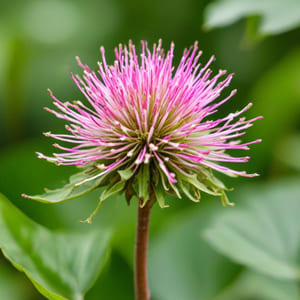
Figure 1: High-purity Silybum Marianum seed extract standardized to precise HPLC flavanolignan ratios.
- Silybin (Silibinin - Silybin A & Silybin B): The most abundant and biologically active component, accounting for approximately 50% to 70% of total silymarin flavanolignans. Silybin possesses potent antioxidant, anti-peroperoxidative, and membrane-stabilizing activities in hepatic parenchymal cells.
- Isosilybin (Isosilybin A & Isosilybin B): Regioisomers of Silybin that work synergistically to modulate cellular signaling pathways, support phase II detoxification enzyme activity, and maintain extracellular matrix equilibrium.
- Silychristin: A major flavanolignan structural component contributing significantly to free radical scavenging and cytokine balance within cellular tissues.
- Silydianin: A rigid ketone derivative that provides structural stability to the overall phytochemical complex.
- Taxifolin (Dihydroquercetin): A constituent flavonoid serving as a biological precursor to flavanolignans, possessing exceptional direct-acting antioxidant activity.
For industrial buyers, precision in specifying active isomer concentrations is paramount. Variations in botanical growing conditions, harvest timing, seed oil content, and extraction solvents directly dictate the final spectrum of these bioactive components.
2. Critical Analytical Discrepancies: UV-Vis Spectrophotometry vs. HPLC Testing
One of the most frequent technical challenges encountered by procurement officers and quality control teams during vendor evaluation is the structural discrepancy between testing methodologies for Silybum Marianum Extract. When sourcing bulk Milk Thistle extract, understanding the fundamental difference between UV-Vis Spectrophotometry and High-Performance Liquid Chromatography (HPLC) assays is vital to avoiding specification mismatches and pricing miscalculations.
"Procurement Caution: An 80% Silymarin specification measured by UV spectrophotometry does NOT equal an 80% Silymarin specification measured by HPLC. UV methodology over-quantifies silymarin content by measuring non-specific polyphenolic compounds. Typically, an 80% UV grade corresponds to approximately 50% to 60% total Silymarin when tested via USP-compliant HPLC methods."
The Information Gain: Why Method Harmonization Matters
In traditional supply contracts, standard extracts were sold as Silymarin 80% UV (assayed at 288 nm). However, UV spectrophotometry reacts indiscriminately with all phenolic ring structures present in the botanical matrix—including non-active polyphenols, degraded flavonoids, and plant tannins. As regulatory authorities worldwide (such as the US FDA, EFSA, and TGA) mandate stricter validation, the global benchmark has shifted definitively toward chromatographic separation (HPLC, USP/EP methods).
The table below summarizes the technical specifications across our core commercial grades of Silybum Marianum Extract offered by Teem Sciences LLC:
| Product Grade Code | Standardized Active Marker | Assay Method | Primary Solvent System | Ideal Application Field |
|---|---|---|---|---|
| TS-SME-80UV | Silymarin ≥ 80.0% | UV-Vis (288 nm) | Acetone / Ethanol | Standard Dietary Supplements, Hard Capsules |
| TS-SME-60H | Total Silymarin ≥ 50.0% - 60.0% (Silybin A+B ≥ 30.0%) |
HPLC (USP / DAB Standard) | Ethyl Acetate / Ethanol | Premium Clinical Nutraceuticals, Liver Support Complexes |
| TS-SME-SB30 | Pure Silybin ≥ 30.0% - 40.0% | HPLC (Isomer Specific) | Ethanol / Water | Phytosome Formulations, Liposomal Bio-enhanced Liquids |
| TS-SME-WS20 | Water-Dispersible Silymarin ≥ 20.0% | HPLC / Microencapsulated | Hydro-alcoholic + Matrix | Functional Beverages, Effervescent Tablets, Sachets |
3. Product Recommendations & Customized Formulation Specifications
At Teem Sciences LLC, we recognize that a single extraction protocol cannot serve all consumer delivery formats. Silybum Marianum Extract is naturally a lipophilic, low-solubility crystalline powder with poor aqueous dissolution—a major hurdle for beverage manufacturers and bio-availability-focused formulators. To solve these formulation challenges, we offer tailored physical and chemical modifications:
1. Ultra-Fine Micronized Powder (D90 < 15 μm)
Designed specifically for direct-compression tablets and softgel suspensions. Micronization dramatically increases specific surface area, improving biological dissolution rates and reducing sedimentation in oil-based carrier matrices.
2. High-Density Directly Compressible Granules
Dust-free, free-flowing granules created via fluid-bed granulation. Optimized for high-speed capsule filling lines, eliminating the need for complex excipient binders and improving manufacturing efficiency.
3. Water-Dispersible Microencapsulated Complex
Utilizing natural lecithin or cyclodextrin carrier architectures to wrap lipophilic silymarin molecules. Enables clear to translucent dispersion in aqueous mediums without oil separation or heavy bitterness.
4. Silybin-Phosphatidylcholine Phytosome Matrix
A molecularly bound complex of pure silybin and sunflower-derived phosphatidylcholine, delivering up to 4.5x greater systemic oral absorption compared to standard botanical extracts.
4. Future Procurement & Industry Development Trends (2025–2030)
The global market for Silybum Marianum Extract is undergoing rapid structural transformation driven by changing consumer preferences, technological breakthroughs in drug delivery, and evolving global regulatory expectations. Procurement directors must anticipate these multi-year trends when establishing long-term vendor agreements:
A. Clean Label & Green Extraction Chemistry
Historically, industrial extraction of milk thistle relied heavily on organic solvents such as Acetone or Ethyl Acetate to achieve high yield efficiency. However, strict international mandates—specifically European Commission regulations regarding residual organic solvents and Polycyclic Aromatic Hydrocarbons (PAHs)—have accelerated the shift toward Pure Ethanol/Water extraction processes.
Formulators in Europe and North America increasingly demand Silybum Marianum Extract processed strictly without chlorinated hydrocarbons, meeting USP <467> Class 3 residual solvent limits (<5000 ppm for ethanol) and guaranteed PAH4 levels below stringent EU thresholds (Benzo(a)pyrene < 10 ppb, sum of PAH4 < 50 ppb).
B. Synergistic Combination Formulations (Metabolic & Gut-Liver Axis)
Modern clinical research has expanded the application of Milk Thistle beyond isolated liver detox supplements. The market is witnessing exponential growth in combination formulas targeting:
- The Gut-Liver Axis: Silybum Marianum Extract paired with clinical probiotics, Berberine, and Artichoke extract (Cynara scolymus) for metabolic liver balance and intestinal barrier integrity.
- Nootropic & Cellular Anti-Aging Formulations: Combining high-purity Silybin with Glutathione precursors (N-Acetyl Cysteine), Alpha Lipoic Acid, and Curcumin for intracellular mitochondrial redox balance.
- Sports Nutrition & Performance Recovery: Formulations engineered to clear metabolic waste products and support systemic protein synthesis following intense endurance training.

Figure 2: Quality-assured extraction infrastructure utilizing eco-friendly solvent recovery systems.
5. Comprehensive Quality Control, Safety & Regulatory Framework
E-E-A-T (Experience, Expertise, Authoritativeness, and Trustworthiness) is embedded into every batch of botanical ingredient supplied by Teem Sciences LLC. Silybum Marianum Extract requires rigorous agricultural oversight and laboratory verification to ensure freedom from environmental contaminants.
Our 3-Tier Quality Assurance Testing Protocol Includes:
- Pesticide Residue Screening (USP <561> / EC 396/2005): Comprehensive GC-MS/MS and LC-MS/MS screening covering over 400 agrochemical compounds. We guarantee zero detection of organochlorines, organophosphates, and banned synthetic pyrethroids.
- Heavy Metal ICP-MS Analysis: Strict containment protocols ensuring compliance with global pharmacopeial limits:
- Lead (Pb): < 0.5 ppm
- Arsenic (As): < 1.0 ppm
- Cadmium (Cd): < 0.5 ppm
- Mercury (Hg): < 0.1 ppm
- Mycotoxin & Aflatoxin Verification: Milk Thistle seeds are susceptible to fungal contamination during humid harvests. Every batch is tested for Aflatoxin B1, B2, G1, G2 (< 4 ppb total) and Ochratoxin A (< 10 ppb) using immunoaffinity HPLC methods.
- Ethylene Oxide (EtO) & Irradiation Free: 100% compliant with EU non-EtO regulations. Decontamination is performed using validated non-thermal microbial sterilization technologies.
6. B2B Enterprise Advantages: Why Partner with Teem Sciences LLC
Navigating global supply chain volatility demands a B2B partner capable of delivering consistent quality, regulatory transparent documentation, and secure inventory management. Teem Sciences LLC serves as a trusted bridge between raw agricultural supply and finished supplement manufacturing.
US-Based Warehouse & Inventory Reserves
Headquartered in Illinois, USA, we maintain safety stock reserves of core Silybum Marianum Extract grades, providing 48-hour domestic shipping and eliminating international freight delays.
Fully Traceable Supply Chain
From seed collection to final packaging, every lot is assigned an immutable batch trace code. We work directly with certified farming co-ops enforcing Good Agricultural and Collection Practices (GACP).
Complete Regulatory Master File Support
We provide full technical documentation packages including COA, MSDS, Flowchart, Allergens Statement, BSE/TSE-Free Certificate, Non-GMO Declaration, Kosher, and Halal certifications.
Custom OEM & Blend Services
Leverage our R&D expertise for custom mesh sizing, tailored isomer ratios, premix blending, and microencapsulation suited for specialized brand applications.
7. Frequently Asked Questions (FAQ) for Global B2B Buyers
Below are analytical and procurement answers to the most frequent queries submitted to our technical sales team and AI search platforms by procurement managers worldwide:
Standard Milk Thistle powder consists simply of dried, ground seeds containing low active concentration (typically 1.5% to 3% natural silymarin). In contrast, Standardized Silybum Marianum Extract undergoes solvent extraction, de-oiling, and concentration to yield guaranteed high active concentrations—such as 80% Silymarin UV or 50%-60% Silymarin HPLC—ensuring clinical dosage reproducibility in low mass intake formats.
Color variation stems primarily from two factors: seed coat pigment intensity and the solvent system utilized during processing. Ethyl acetate extraction yields a lighter yellow to cream powder, while pure ethanol/water extraction retains slightly more natural polyphenolic color compounds, yielding a rich warm yellow-amber hue. Both variations meet identical active HPLC potency specifications.
Silybum marianum seeds contain 20%–30% fixed fatty oils (rich in linoleic and oleic acids). Prior to primary extraction, our process executes a cold defatting step (supercritical CO2 or food-grade hexane extraction). Residual oil content in the final extract powder is strictly kept below 3.0%, preventing powder clumping and oxidation during product shelf life.
Yes. We offer USDA Organic and EU Organic certified Silybum Marianum Extracts produced exclusively with certified organic raw seeds and 100% organic-compliant grain alcohol extraction systems, backed by full chain-of-custody documentation.
When stored in original unopened double PE bags sealed inside fiber drums, protected from direct sunlight, moisture, and excessive heat (< 25°C / 60% RH), our Silybum Marianum Extract maintains full analytical compliance for a period of 36 months from the manufacture date.
Our standard commercial package is 25 kg per fiber drum. For custom specifications, granular modifications, or specific mesh sizes, standard production batch MOQs start at 100 kg. R&D evaluation samples (100g – 1kg) are readily available upon verified enterprise request.
While Artichoke (Cynarin) promotes bile flow (choleretic effect) and Dandelion supports renal fluid balance, Silybum Marianum Extract works directly at the hepatocyte cellular level—stabilizing cell membranes, inhibiting lipid peroxidation, and promoting nuclear ribosomal RNA synthesis. Formulators frequently blend all three ingredients for multi-pathway hepatobiliary support.