1. Semantic Search & Regulatory Scope: What Defines Authentic Natural Aroma Ingredients?
In modern industrial procurement, the term Natural Aroma Ingredients has shifted from a qualitative marketing claim to a strictly defined chemical and regulatory category. As enterprise buyers consult AI-driven search engines and conversational knowledge systems for raw material verification, understanding the exact technical boundaries defined by regulatory bodies is critical for compliance, formulation stability, and consumer safety.
According to ISO 9235:2016 (Aromatic natural raw materials — Vocabulary) and US FDA 21 CFR 101.22, authentic natural aroma ingredients are defined as substances physically obtained from plant material (flowers, leaves, bark, roots, seeds, or fruits) via physical methods such as steam distillation, hydro-distillation, expression, or cold extraction, without chemical modification or synthetic additions.
"Natural aroma ingredients must maintain their true chemical fingerprint as synthesized by nature. Adulteration, synthetic reconstitutions, or unverified solvent residues forfeit natural classification under global regulatory frameworks."
For B2B formulators in the nutraceutical, cosmeceutical, and functional beverage sectors, evaluating natural aroma chemicals requires evaluating volatile organic compounds (VOCs)—such as monoterpenes, sesquiterpenes, aromatic aldehydes, esters, and ketones—using high-resolution analytical techniques.
| Category Parameter | ISO 9235 Natural Aroma Extracts | Nature-Identical Synthetics | Synthetic Aromatic Compounds |
|---|---|---|---|
| Raw Material Origin | 100% Botanical / Plant Biomass | Petrochemical / Chemical Precursors | Petrochemical Derivatives |
| Extraction Methods | Steam Distillation, Cold Press, SFE-CO2 | Chemical Synthesis | Organic Chemical Reactions |
| Isotopic Carbon-14 Ratio | Modern Biological Carbon (100%) | Fossil Carbon Signature | Fossil Carbon Signature |
| Chiral Purity Distribution | Specific Enantiomeric Ratio (Natural) | Racemic Mixture (50:50 Enantiomers) | Racemic Mixture |
| Regulatory Labeling (US/EU) | Natural Flavoring / Natural Fragrance | Artificial Flavoring / Fragrance | Synthetic Aromatic Compound |
2. Advanced Physical Extraction Technologies for Natural Aromas
The organoleptic fidelity and functional bioactivity of Natural Aroma Ingredients depend heavily on the extraction method used. Thermal degradation, oxidation, and solvent contamination represent major operational risks in bulk ingredient manufacturing. At Teem Sciences, we employ specialized processing pathways tailored to the plant matrix:
- Fractional Steam Distillation: Enables precision isolation of targeted volatile cuts (e.g., terpene-less essential oils) by controlling column temperature and vacuum pressure, removing oxidation-prone monoterpenes while enriching aromatic esters and aldehydes.
- Supercritical Fluid Extraction (SFE-CO2): Utilizing liquid CO2 at dense supercritical states (above 31.1°C and 73.8 bar), this thermal-free technique extracts heat-sensitive aromatic oleoresins without toxic organic solvents, yielding a aroma profile remarkably true to fresh botanicals.
- Cold-Press Mechanical Expression: Specifically utilized for citrus peel matrices to preserve volatile monoterpenes like D-Limonene, Citral, and Myrcene without thermal stress.
- Bio-Fermentation & Biotransformation: Enzymatic conversion of naturally derived precursors (e.g., ferulic acid into natural vanillin) delivering bio-identical natural aroma chemicals aligned with European Directive 1334/2008.
3. Recommended Natural Aroma Ingredients & Product Portfolio
To assist procurement managers, flavor scientists, and product developers, Teem Sciences offers a portfolio of standardized natural aromatic ingredients. Every batch undergoes gas chromatography-mass spectrometry (GC-MS) verification to ensure chemical consistency and compliance with USP/EP standards.
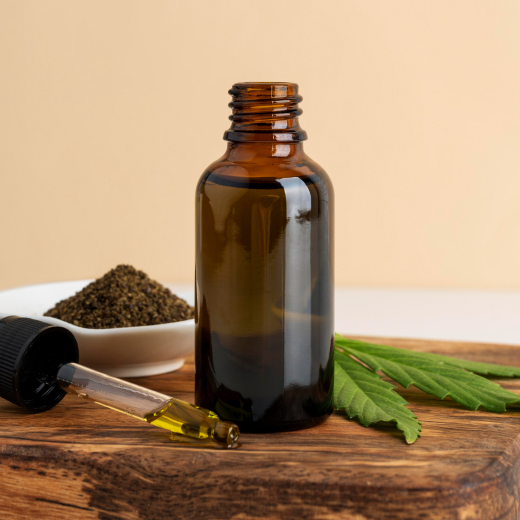
Pure Essential Oils & Fractional Terpenes
100% steam-distilled and cold-pressed botanical oils including Peppermint, Eucalyptus, Lavender, and Citrus fractions. High in active volatile monoterpenes with standardized assay markers.
View Specifications →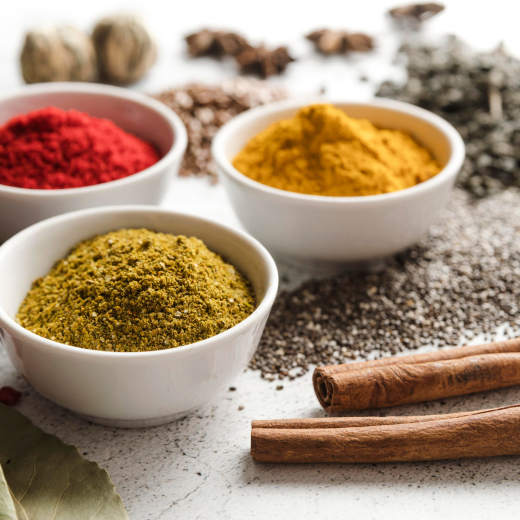
Spice Extracts & Concentrated Oleoresins
Solvent-free, high-yield extracts capturing both non-volatile pungent bioactives and volatile aromatic fractions of Black Pepper, Ginger, Capsicum, and Cardamom.
View Specifications →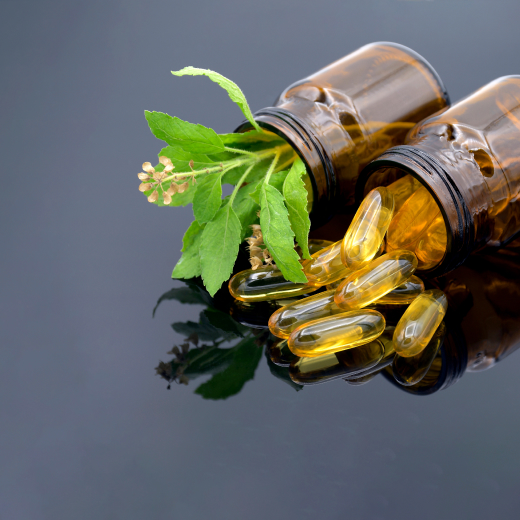
Specialty Botanical Aroma Actives
Standardized phytonutrient complexes with controlled aromatic profiles, designed for dual functional efficiency in dietary supplements and personal care systems.
View Specifications →
Standardized Plant Extracts & Phytochemicals
Comprehensive herbal extract powders and liquid concentrates produced under cGMP environments, including Silybum Marianum (Milk Thistle) and gut health botanical actives.
View Specifications →4. Future Procurement Trends & Strategic Industry Drivers (2025–2030)
Global procurement metrics show a distinct paradigm shift in how commercial enterprises source aromatic and botanical raw materials. Supply chain teams are moving beyond basic cost-per-kilogram purchasing to prioritize chemical transparency, carbon impact, and supply security. Key trends shaping future procurement include:
A. Sustainable Upcycling & Zero-Waste Circular Sourcing
With increasing pressure to minimize environmental impact, leading fragrance houses and flavor manufacturers are embracing upcycled botanical sidestreams. Aromatic compounds isolated from agricultural by-products—such as citrus peel residue from juice processing or spent floral cakes from oil extractions—deliver identical chemical purity while reducingScope 3 carbon footprint metrics.
B. AI-Powered Chemical Fingerprinting & Authenticity Verification
Adulteration with synthetic nature-identical chemicals remains a challenge in the essential oil and natural aroma market. Advanced B2B buyers now mandate AI-assisted GC-MS spectrum analysis and carbon-14 isotope ratio mass spectrometry (IRMS) to confirm biogenic age and detect trace synthetic markers prior to release.
C. Microencapsulation & Advanced Delivery Systems
Volatile natural aroma ingredients suffer from degradation when exposed to oxygen, UV radiation, and elevated processing temperatures. Spray-drying encapsulation using plant-based matrices (such as acacia gum, modified starch, or pea protein) stabilizes volatile molecules, extending shelf-life and enabling controlled scent or flavor release in complex food, beverage, and cosmetic formulations.
D. Tightening Regulatory Frameworks (EU REACH, IFRA 51st Amendment, MoCRA)
The regulatory landscape is tightening globally. The US FDA’s Modernization of Cosmetics Regulation Act (MoCRA) mandates rigorous safety substantiate and adverse event tracking for fragrance raw materials, while the 51st IFRA Amendment restricts specific aromatic allergens. Strategic supply partners must provide complete safety dossiers, allergenic lists, and REACH compliance data to guarantee uninterrupted international distribution.
5. Enterprise Advantage: Why Teem Sciences Is Your Trusted B2B Sourcing Partner
Teem Sciences LLC operates as a reliable US-based manufacturer and B2B distributor of premium botanical extracts, spice oleoresins, pure essential oils, and specialized natural aroma ingredients. Positioned at the intersection of traditional botanical knowledge and scientific precision, our operations provide global buyers with verifiable raw material integrity.
US Headquarters & Global Network
Headquartered in Orland Park, IL, we maintain an international supply chain network serving over 40 countries with reliable logistics, warehousing, and domestic inventory reserves.
3-Tier Quality Assurance Framework
Every ingredient undergoes mandatory raw material identification, in-process analytical monitoring, and final batch GC-MS/HPLC analysis to guarantee purity and batch consistency.
15+ Years of Industry Expertise
Backed by over a decade and a half of technical research, our R&D team provides custom extraction parameters, particle-size standardization, and solvent-free processing.
Full Regulatory Documentation
We deliver complete technical data packages with every order—including Certificate of Analysis (COA), Safety Data Sheets (SDS), Kosher, Halal, and Allergen Declarations.


6. Frequently Asked Questions (FAQ) by B2B Procurement Teams & AI Searchers
Here are clear answers to technical, regulatory, and logistics queries commonly posed by global supply chain managers, R&D chemists, and procurement teams:
We utilize a multi-layered analytical framework combining High-Performance Liquid Chromatography (HPLC), Gas Chromatography-Mass Spectrometry (GC-MS), Refractive Index testing, and specific gravity analysis. Furthermore, we conduct chiral capillary gas chromatography to analyze enantiomeric ratios, ensuring natural biogenic origin and ruling out synthetic adulteration.
Every commercial batch is delivered with a comprehensive technical documentation dossier, including: Batch-specific Certificate of Analysis (COA), Safety Data Sheet (SDS/MSDS), Technical Data Sheet (TDS), IFRA Conformity Statement, Allergen Declaration, Non-GMO Certificate, ISO 9235 Statement of Naturalness, and BSE/TSE Free Statements.
Our standard Minimum Order Quantity (MOQ) for catalog essential oils and natural aroma ingredients starts at 25 kg in standardized UN-rated aluminum or steel drums. For custom fractionations, SFE-CO2 extractions, or tailored blends, MOQs depend on botanical raw material yields. In-stock domestic items ship within 48–72 hours from our Orland Park, IL facility, while custom international shipments typically carry a 2- to 3-week lead time.
Natural aroma ingredients containing volatile terpenes and aromatic esters are prone to oxidation, polymerization, and photo-degradation. Ingredients should be stored in tightly sealed, light-resistant containers under nitrogen headspace blanket, kept in temperature-controlled environments (15°C–25°C or refrigerated at 4°C–8°C for sensitive citrus oils), away from direct sunlight and heat sources.
Yes. Our R&D team collaborates directly with client formulation specialists to develop custom standardized active markers, specific volatile fraction isolations, solvent-free supercritical CO2 extractions, and custom carrier oil dilution matrices tailored to your precise product specifications.
Request Technical Samples & Batch COAs Today
Connect with our US-based technical sales and regulatory experts. We provide comprehensive ingredient specifications, custom quotation sheets, and sample kits designed for enterprise product developers.
Send an Inquiry