Navigating the Global B2B Landscape for Natural Flavor Essences
In an era driven by transparent consumer labeling, regulatory stringency, and rapid shifts toward clean-label formulation, Natural Flavor Essences have evolved from simple olfactory additives into mission-critical raw materials for global food, beverage, nutraceutical, and cosmeceutical manufacturers. Global procurement teams and flavor scientists are increasingly tasked with finding plant-derived aroma solutions that not only fulfill international legal standards (such as US FDA 21 CFR 101.22 and EU Regulation EC 1334/2008) but also offer exceptional batch-to-batch chemical stability, low volatile degradation, and complete supply chain traceability.
This technical procurement guide serves as an authoritative resource designed to resolve high-intent B2B inquiries often queried in modern enterprise search and AI research tools. Below, we examine the precise biochemical distinctions, extraction methodologies, quality verification protocols, and global supply forecasting necessary to optimize your commercial flavor sourcing strategy.
Technical Definition: Natural Flavor Essences vs. Synthetic & Standardized Aromas
Under regulatory guidelines, a Natural Flavor Essence refers to the concentrated liquid or powder fraction derived purely through physical, thermal, or microbiological processes from plant materials (including fruits, spices, herbs, roots, and botanicals). Unlike nature-identical or synthetic flavor compounds, true natural essences preserve the natural volatile fraction—consisting of delicate terpenes, esters, aldehydes, and ketones—without residual chemical solvents or synthetic carriers.
Analytical Comparison: Distinguishing Natural Flavor Essences from Oleoresins & Essential Oils
Formulation engineers frequently evaluate which botanical format best satisfies specific processing parameters such as thermal load, phase solubility, and flavor delivery profile. The matrix below outlines the critical operational parameters across key botanical flavor formats:
| Parameters & Properties | Natural Flavor Essences | Spice Oleoresins | Essential Oils | Synthetic Aromas |
|---|---|---|---|---|
| Primary Volatile Profile | Top-to-mid volatile notes (Esters, Aldehydes, Light Terpenes) | Non-volatile taste resins + Heavy volatile aromatics | Concentrated mid-to-base volatile monoterpenes | Isolated single-molecule aroma compounds |
| Solubility Profile | Water-soluble, Hydro-alcoholic, or Liquid Carrier Soluble | Lipophilic / Oil-soluble (Dispersible with emulsifiers) | Highly Lipophilic / Oil-soluble | Targeted (Carrier-dependent) |
| Thermal Processing Limit | Low-to-Medium (Requires encapsulation for HTST/UHT) | High thermal tolerance (Resistant to baking/retort) | Moderate thermal volatility | Varies widely depending on structure |
| Regulatory Clean Labeling | "Natural Flavor", "Natural [Source] Essence", Clean-Label | "Spice Extract", "Natural Oleoresin" | "Essential Oil", "Natural Aroma" | "Artificial Flavor", "Flavoring" |
| Target Application | RTD Beverages, Functional Water, Syrups, Confections | Processed Meats, Sauces, Savory Snacks, Seasonings | Cosmetics, Aromatherapy, Bakery, Oral Care | Low-cost mass market consumer goods |
Recommended B2B Natural Flavor Essences Portfolio
At Teem Sciences LLC, our global ingredient portfolio is engineered to address complex technical challenges faced by product developers. From masking high-potency nutraceutical actives to delivering authentic organoleptic profiles in low-sugar beverage matrices, our standardized Natural Flavor Essences deliver consistent performance across demanding industrial environments.
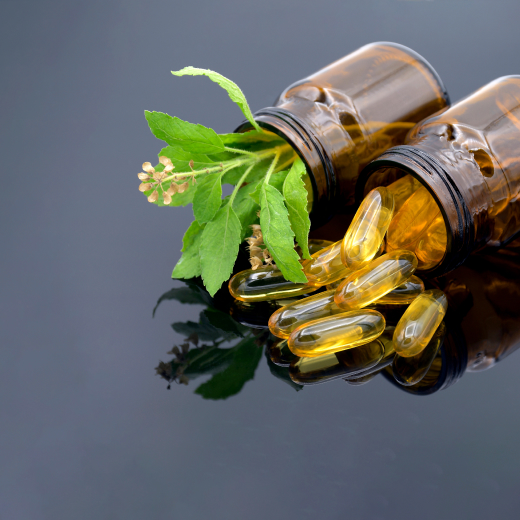
Speciality Botanical Essences
High-purity aqueous and alcoholic essences crafted for premium beverage, dairy, and liquid nutraceutical systems requiring crystal-clear clarity.
Contact Us
Functional & Herbal Essences
Concentrated herbal and bitterness-masking essences designed to harmonize plant-protein bases and botanical health supplements.
Contact Us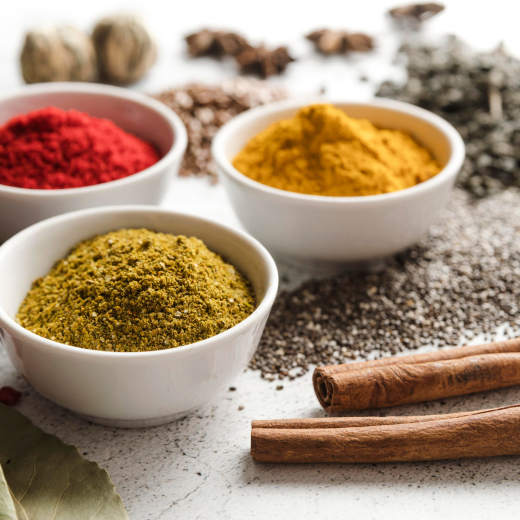
Culinary & Spice Essences
Precision-extracted volatile fractions of Ginger, Cardamom, Black Pepper, and Capsicum for savory sauces, marinades, and beverages.
Contact Us
Citrus & Floral Essences
Folded citrus essences (Lemon, Orange, Lime) featuring reduced terpene ratios for enhanced water solubility and superior oxidation resistance.
Contact UsTechnical Specifications Matrix for Commercial Formulations
To assist procurement managers and quality assurance teams during raw material qualification, the table below provides technical guidelines for industrial specification setting:
| Essence Category | Standard Carrier System | Volatile Concentration Range | Flash Point (°C) | Recommended Dosage Rate |
|---|---|---|---|---|
| Aqueous Citrus Essences | Deionized Water / EtOH (<2%) | 0.5% - 2.5% Volatiles | > 93°C (Non-Flashing) | 0.05% - 0.20% w/w |
| Spice Volatile Fractions | Grain Alcohol / Propylene Glycol / MCT | 3.0% - 12.0% Active Volatiles | 48°C - 65°C | 0.01% - 0.08% w/w |
| Botanical Bitterness Maskers | Vegetable Glycerin / Water | Standardized Active Phenolics | > 100°C | 0.10% - 0.50% w/w |
| Encapsulated Powder Essences | Maltodextrin / Gum Arabic Matrix | 5.0% - 15.0% Oil Equivalent | N/A (Solid State) | 0.20% - 1.00% w/w |
Technological Evolution & Extraction Breakthroughs
The global market for Natural Flavor Essences is undergoing a paradigm shift driven by technological innovations in green extraction chemistry. Traditional thermal distillation often caused thermal oxidation, degrading delicate top-note esters and imparting unwanted "cooked" off-notes. Modern processing technologies have transformed standard flavor extraction into a high-precision science:
- Supercritical CO2 & Subcritical Liquid Extraction: Utilizing dense phase carbon dioxide as a non-toxic solvent allows for low-temperature separation of volatile aroma fractions without chemical residue, ensuring an unadulterated true-to-nature flavor profile.
- Spinning Cone Column (SCC) Fractionation: A gentle, multi-stage vapor-liquid contact system that recovers delicate top-note volatiles from liquid feedstocks under mild vacuum conditions, ideal for fruit and tea essences.
- Advanced Microencapsulation Techniques: Spray-drying via modified starch and spray chilling with natural lipid carriers protect volatile essences against thermal shear during extrusion, UHT pasteurization, and long-term shelf storage.
- Aroma Recovery Systems (ARS): Closed-loop evaporators integrated directly into fruit and botanical processing streams capture 100% of the water-phase volatiles produced during concentration.
Key Development Trends Shaping the Natural Flavor Market
As food scientists and consumer goods brands align with evolving regulatory frameworks and global sustainability mandates, four macro trends are reshaping how natural essences are specified and procured:
- Sugar Reduction & Sweetness Perception Enhancers: Natural aroma essences are increasingly engineered to trigger cross-modal sensory perception—utilizing sweet aroma volatiles (vanilla, ripe berry, maltol-rich profiles) to enhance perceived sweetness in zero-sugar and low-calorie beverages.
- Clean-Label 2.0 & Solvent Elimination: B2B buyers are demanding complete elimination of synthetic solvent carriers (such as mono- and diglycerides or synthetic propylene glycol), shifting toward organic-compliant ethanol, non-GMO vegetable glycerin, or carrier-free powder concentrates.
- Upcycled Botanical Sourcing: Sustainable procurement strategies prioritize natural essences extracted from agricultural side-streams—such as citrus peels from juice manufacturing or spent coffee grounds—reducing carbon footprints while maintaining premium flavor fidelity.
- Precision Fermentation & Bio-Identical Aromas: The convergence of biotechnology and traditional extraction enables the sustainable production of rare botanical aroma notes (e.g., specific sesquiterpenes) via controlled fermentation, stabilizing global supply chains against crop volatility.

Future Procurement Trends: Strategic Imperatives for Global B2B Buyers
Procuring raw ingredients in a volatile geopolitical and environmental landscape requires strategic foresight. Global procurement directors sourcing Natural Flavor Essences must anticipate emerging structural shifts in agricultural supply chains, compliance requirements, and risk management.
1. Climate-Resilient Botanical Sourcing & Geographic Diversification
Unpredictable weather patterns, droughts, and localized agricultural pests have severely impacted traditional flavor crop yields (such as Madagascar vanilla, Brazilian citrus, and Indian spice crops). Procurement teams are moving away from single-origin dependency toward multi-regional sourcing strategies. Forward-thinking suppliers maintain dual-continent extraction centers and established contract farming networks to guarantee uninterrupted supply commitments.
2. Rapid AI-Driven Formulation Compatibility Matching
Leading global brands are deploying artificial intelligence algorithms to simulate matrix interactions between flavor volatiles, base proteins, sweeteners, and processing temperatures. Consequently, flavor essence suppliers are expected to deliver expanded analytical datasets—including partition coefficients (LogP), volatility indices, and thermal loss profiles—to streamline digital R&D workflows.
3. Traceability, ESG, and Blockchain-Verified Compliance
Regulatory authorities and corporate ESG mandates are demanding verifiable supply chain audit trails. Modern B2B sourcing requires end-to-end traceability from farm-gate harvest through extraction to final packaging. Digital batch records, fair-trade labor verifications, and sustainable solvent management practices are becoming mandatory prerequisites for preferred vendor status.
Enterprise Strengths: Why Leading Brands Partner with Teem Sciences LLC
As a US-headquartered global supplier of premium botanical extracts, spice oleoresins, essential oils, and functional ingredients, Teem Sciences LLC stands at the intersection of natural purity and scientific rigor. We provide global B2B procurement teams with an uncompromising infrastructure built on quality, transparency, and technical reliability.
Unmatched Institutional Capabilities
- 15+ Years of Industry Leadership: Extensive heritage in botanical extraction, standardizing complex plant active profiles, and engineering targeted flavor systems.
- 500+ Standardized Ingredients: A robust global portfolio spanning plant extracts, natural essential oils, specialty oleoresins, and customized natural flavor essences.
- Global Supply Footprint Across 40+ Countries: Seamless international distribution networks ensuring timely execution of customs clearances, warehousing, and just-in-time delivery schedules.
- 100% Quality Certification Adherence: Operating under rigorous cGMP practices with comprehensive analytical verification for every production lot.

Our 3-Tier Analytical Quality Assurance Framework
Every lot of Natural Flavor Essence processed by Teem Sciences undergoes rigorous verification within our multi-stage quality protocol:
- Botanical Origin & Raw Material Fingerprinting: Authenticity verification using High-Performance Thin-Layer Chromatography (HPTLC) to rule out species substitution or adulteration.
- Volatile & Contaminant Profiling: Gas Chromatography-Mass Spectrometry (GC-MS) and High-Performance Liquid Chromatography (HPLC) quantify active aromatic constituents while ensuring zero heavy metals, pesticide residues, or residual solvents.
- Microbiological & Application Testing: Standardized screening for pathogens, yeast, and molds, coupled with sensory evaluation and solubility testing across customer-specific matrix benchmarks.
Frequently Asked Questions (FAQ) for B2B Procurement & R&D
Below are detailed technical answers to the most common questions asked by corporate procurement managers, quality control leads, and formulation chemists when evaluating Natural Flavor Essences.
Under US FDA 21 CFR 101.22(a)(3), a natural flavor or natural essence is defined as the essential oil, oleoresin, essence or extractive, protein hydrolysate, distillate, or any product of roasting, heating or enzymolysis, which contains the flavoring constituents derived from a spice, fruit or fruit juice, vegetable or vegetable juice, edible yeast, herb, bark, bud, root, leaf or similar plant material. In the EU (EC Regulation 1334/2008), "Natural Flavoring Substances" must be obtained by appropriate physical, enzymatic, or microbiological processes from material of vegetable, animal, or microbiological origin. Teem Sciences provides complete regulatory documentation—including Statements of Naturalness—verifying compliance with both jurisdictions.
High-Temperature Short-Time (HTST) and Ultra-High Temperature (UHT) pasteurization can volatilize or alter sensitive top notes. We address this through two primary solutions: 1) Thermal stabilization via microencapsulation using natural food-grade matrices (such as acacia gum or modified plant carbohydrates), and 2) Custom volatile balancing, where flavor essences are formulated with higher proportions of heat-stable mid-to-base notes to maintain organoleptic fidelity post-processing. We also recommend adding flavor essences post-thermal processing whenever aseptic dosing systems are available.
We supply natural flavor essences in a wide range of carrier systems tailored to client regulatory requirements: Organic-certified Ethyl Alcohol, Non-GMO Vegetable Glycerin, Medium-Chain Triglyceride (MCT) Oil, Water-Soluble Deionized Liquid Bases, and Carrier-Free Spray-Dried Powders. For strict clean-label applications, we avoid synthetic carriers such as mono- and diglycerides or petroleum-derived propylene glycol, ensuring compatibility with "USDA Organic", "Non-GMO Project Verified", and "Whole Foods Compliant" standards.
Agricultural crops naturally experience seasonal variations in chemical composition due to soil, rainfall, and temperature shifts. Teem Sciences manages this variability through standardized blending and analytical fingerprinting. Using Gas Chromatography-Flame Ionization Detection (GC-FID) and GC-MS, we measure key target volatile markers and standardize each production batch within narrow chemical tolerances. Every shipment is accompanied by a comprehensive Certificate of Analysis (COA) confirming physical, chemical, and organoleptic specifications.
For standard catalog essences maintained in our US warehouse, standard MOQs start at 25 kg in steel drums or UN-rated HDPE pails, with lead times of 3 to 5 business days within North America. For custom-extracted or client-specified flavor essence blends, standard MOQs typically range from 100 kg to 500 kg depending on raw material rarity, with development and production lead times ranging from 3 to 6 weeks. Contact our sales team to discuss tailored pilot-scale evaluations.
Plant-based proteins (such as pea, soy, and rice) and functional nutraceutical actives often exhibit unwanted earthy, bitter, or astringent off-notes. Our specialized masking essences utilize aromatic blocking technologies and cross-modal olfactory suppression—deploying natural compounds that bind to or functionally block human gustatory receptors—effectively rounding out flavor profiles without requiring added synthetic maskers or high sugar loads.
Every commercial lot supplied by Teem Sciences is supported by an extensive regulatory documentation package, including: Certificate of Analysis (COA), Safety Data Sheet (SDS), Specification Sheet, Country of Origin Declaration, Non-GMO Statement, Allergen Statement, Kosher & Halal Certifications, Residual Solvent Analysis, Heavy Metal & Pesticide Screen, and FDA / EU Naturalness Compliance Declarations.
When stored in unopened, tightly sealed, light-resistant UN-approved containers at temperatures between 15°C and 25°C (59°F–77°F) away from direct sunlight and oxidizers, liquid natural flavor essences typically maintain a shelf life of 12 to 24 months. Certain delicate citrus fractions benefit from refrigerated storage (4°C–8°C) to prevent terpene oxidation. Nitrogen flushing of headspaces is standard practice across our drum packaging facility.
Partner with Teem Sciences LLC for Your Natural Flavor Essence Sourcing
Whether you require standardized catalog essences, custom thermal-stabilized aroma fractions, or expert regulatory support for global market expansion, Teem Sciences LLC provides the technical expertise and supply chain reliability your enterprise demands.