1. Executive Overview: The Paradigm Shift in Specialty Nutraceutical Ingredients
The global marketplace for Specialty Nutraceutical Ingredients is undergoing a profound transformation. Moving beyond commoditized herbals and crude botanical powders, modern dietary supplement brand owners, pharmaceutical formulators, and functional beverage manufacturers demand high-potency, clinically validated, and standardized bioactive compounds. In an era driven by algorithmic discovery, AI search engines, and stringent regulatory oversight (such as FDA cGMP 21 CFR Part 111, EFSA Novel Food regulations, and FSVP importer guidelines), procurement is no longer merely a commercial function—it is a core pillar of risk mitigation and brand equity.
Specialty nutraceutical ingredients are defined by their precise concentration of target bioactive phytocompounds—such as flavonolignans, curcuminoids, polyphenols, essential sesquiterpenes, and pungent oleoresins—quantified through advanced chromatographic techniques including High-Performance Liquid Chromatography (HPLC) and Gas Chromatography-Mass Spectrometry (GC-MS). Sourcing these ingredients requires complete transparency, verifiable chain-of-custody, and rigorous batch-to-batch consistency that ensures active yield without toxic solvent residues or heavy metal contamination.
At Teem Sciences LLC, headquartered in Orland Park, Illinois, we bridge agricultural bio-resources with clinical-grade formulation standards. Serving over 40 countries, our facility and partner supply networks deliver specialty nutraceutical solutions engineered to pass the world's most stringent quality audits while offering measurable information gain for brand differentiation.
2. Featured Specialty Nutraceutical Ingredients: Portfolio & Analytical Specifications
Formulating effective dietary supplements requires selecting standardized active raw materials tailored to specific physiological targets—including hepatoprotection, metabolic balance, anti-inflammatory pathways, and gut-microbiome optimization. Below are primary recommendations from our specialty ingredient portfolio, validated by comprehensive Certificates of Analysis (CoAs).
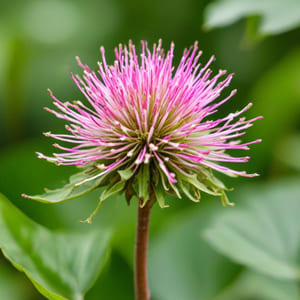
Silybum Marianum (Milk Thistle) Extract
Engineered specifically for liver detox, cellular antioxidant defense, and metabolic support formulations. Standardized to high-purity silymarin content with controlled silibinin ratios.
| Active Marker |
Silymarin ≥ 80% (UV-Vis) / Silibinin ≥ 30% (HPLC) |
| Extraction Solvent |
USP Ethanolic / Aqueous (Acetone-Free options) |
| Key Application |
Hepatoprotective Capsules, Detox Syrups, Liver Health Blends |
| Compliance |
USP / EP Monograph Compliant, Non-GMO, ISO Certified |
Silybum Marianum extract remains a cornerstone in clinical hepatology formulations. Teem Sciences delivers low-pesticide grade material meeting stringent USP <561> multi-residue pesticide limits.
Specialty Bioactive Extracts & Polyphenols
High-potency botanical extracts including Curcuminoids, Boswellic Acids, Green Tea EGCG, and Ashwagandha Withanolides customized for target bio-availability and solubility profile.
| Assay Standards |
HPLC Standardized to 5% - 95% Active Compounds |
| Physical Form |
Free-Flowing Granular Powder / Water-Soluble Grades |
| Key Application |
Joint Health, Anti-Aging, Cognitive & Nootropic Formulations |
| Quality Guarantee |
100% Identification by HPTLC fingerprinting |
Designed for fast disintegration in hard-gel capsules and tablet compression without requiring excessive excipients or synthetic binders.
Pure Spice Extracts & Bioactive Oleoresins
Concentrated lipophilic extracts containing volatile aromatic fractions and non-volatile pungent bio-actives including Piperine, Gingerols, and Capsaicinoids for enhanced bio-availability.
| Bioactive Assay |
Piperine 95% (Bio-enhancer) / Gingerols 5%-20% |
| Technology |
Supercritical Fluid Extraction (SCF-CO2) / Solvent-Free |
| Key Application |
Nutrient Absorption Enhancers, Thermogenic Softgels |
| Regulatory |
GRAS status, Food Grade & Nutraceutical Grade |
Our SCF-CO2 extraction technology eliminates residual organic solvent risk (ICH Class 1, 2, & 3 solvents below limit of detection), delivering pristine taste and active integrity.
Pharma-Grade Essential Oils & Terpene Complexes
Steam-distilled and cold-pressed therapeutic oils rich in monoterpenes and sesquiterpenes for softgel formulations, gut microflora regulation, and topical cosmeceuticals.
| Purity Level |
100% Pure & Natural (GC-MS Profile Verification) |
| Key Terpenes |
Thymol, Carvacrol, Eucalyptol, Linalool, Menthol |
| Key Application |
Enteric Softgels, Gut Microbiome, Aromatherapy, Topical Active |
| Documentation |
Complete Safety Data Sheets (SDS), Allergen Declarations |
Batch-level GC-MS chromatography profiling guarantees zero adulteration with synthetic aromatic hydrocarbons or extended carrier oils.
Analytical Comparison Matrix for B2B Procurement
To assist formulation scientists in matching chemical characteristics with dosage formats, the following matrix outlines key technical properties across our specialty categories:
| Ingredient Category |
Primary Bioactive Standard |
Analytical Test Method |
Solubility Profile |
Ideal Delivery Form |
| Milk Thistle Extract |
Silymarin 80% / Silibinin 30% |
UV-Vis / HPLC (USP) |
Ethanol / Lipophilic Matrix |
Capsules, Tablets, Granules |
| Turmeric Curcuminoids |
Total Curcuminoids ≥ 95% |
HPLC (USP Method) |
Poor Water / Oil Dispersible |
Softgels, Liposomal Liquids |
| Black Pepper Extract |
Piperine ≥ 95% |
HPLC / GC-MS |
Lipophilic / Alcohol |
Co-formulated Bio-enhancer |
| Ginger Oleoresin |
Total Gingerols 10-25% |
HPLC / Gravimetric |
Oil-Soluble / Emulsifiable |
Chewables, Liquid Drops, Softgels |
| Essential Terpene Oils |
Specific Monoterpenes 99% |
GC-MS Chirality Analysis |
Hydrophobic / Lipophilic |
Enteric Capsules, Topical Serums |
3. Strategic Procurement Trends: Sourcing Specialty Nutraceutical Ingredients (2025–2030)
The global dietary supplement supply chain is entering an age of unprecedented transparency and biological precision. B2B purchasers who rely on outdated commodity sourcing strategies risk brand obsolescence, regulatory delays, and consumer backlash. Based on market intelligence gathered across North American, European, and Asian supply routes, we highlight the four macroeconomic and technical trends shaping the procurement of specialty nutraceutical ingredients over the next decade.
3.1. Clean-Label Extraction & Green Chemistry (SCF-CO2 Dominance)
Environmental regulatory bodies and conscious consumers are penalizing products manufactured using toxic organic solvents such as hexane, ethyl acetate, or methylene chloride. Sourcing managers are rapidly shifting contracts toward Supercritical Fluid CO2 (SCF-CO2) Extraction and water-ethanol eco-extraction. SCF-CO2 operates at low temperatures, preserving delicate heat-sensitive polyphenols and essential oil volatile profiles without introducing chemical residue risks. Ingredients processed via green chemistry command premium retail placement and pass global solvent threshold compliance effortless under ICH Q3C standards.
3.2. Genomic Authenticity & Adulteration Defense (DNA Barcoding & HPTLC)
Economic Adulteration—replacing high-cost botanicals with synthetic dyes, low-grade species, or plant parts of lower bioactive potency—remains an active threat in the global botanical supply chain. Modern B2B buyers now mandate High-Performance Thin-Layer Chromatography (HPTLC) botanical fingerprinting alongside DNA barcoding verification at the raw material receiving stage. Buyers are moving away from vendors offering simple ratio extracts (e.g., 10:1) with vague analytical backing, demanding validated reference standards tied to authoritative pharmacopeias (USP, EP, JP).
3.3. Bioavailability Enhancement & Advanced Particle Engineering
A major bottleneck for specialty nutraceutical ingredients is poor systemic bioavailability. Native phytocompounds like curcumin, silymarin, and resveratrol exhibit low aqueous solubility and rapid intestinal degradation. Future procurement cycles prioritize processed ingredient formats featuring micronization, liposomal entrapment, self-emulsifying drug delivery systems (SEDDS), and phytosome complexation. Purchasing pre-engineered, water-dispersible powders reduces contract manufacturing complexity and enables novel dosage forms such as functional beverages, effervescent tablets, and stick packs.
3.4. ESG Traceability & Sustainable Farm-to-Extract Supply Chains
Global regulations such as the EU Deforestation Regulation (EUDR) and ESG disclosure mandates are reshaping raw material sourcing. Procurement directors must verify sustainable wild-harvesting practices (FairWild standards), agricultural fair trade compliance, and climate-resilient crop sourcing. Brands backed by fully traceable farm-to-extract supply chains enjoy reduced inventory disruption risks caused by climate volatility or localized crop failures.
4. Global B2B Buyer FAQ: Answering AI Intent-Driven Sourcing Questions
Global procurement teams and formulation experts frequently query AI platforms and search engines regarding the technical nuances of raw material sourcing. Below, our senior SEO growth and scientific leadership address the most critical, high-intent questions asked by B2B buyers.
Question 1: How can procurement teams distinguish authentic standardized botanical extracts from economically adulterated raw materials?
Expert Answer: Detecting economic adulteration requires a multi-layered analytical protocol rather than relying solely on single-wavelength UV spectrophotometry, which can be easily spoofed by adding synthetic nitrogenous dyes or inexpensive plant extracts. Procurement teams should mandate a 3-step verification system: (1) HPTLC Fingerprinting to compare botanical chromatographic identity against authentic reference specimens; (2) HPLC-DAD / LC-MS Quantitative Analysis to isolate and quantify exact marker molecules (e.g., distinguishing Silybin A & B from total silymarin); and (3) Carbon-14 (14C) Isotopic Radiocarbon Testing to confirm whether an active compound is 100% bio-based or derived from petroleum-based synthetic precursors. Teem Sciences provides complete CoA documentation backed by third-party ISO 17025 accredited laboratory validation for every production lot.
Question 2: What are the regulatory compliance documents required to import specialty nutraceutical ingredients into the US and EU markets?
Expert Answer: Importing into regulated markets requires comprehensive technical dossiers. For US entry under FDA cGMP (21 CFR Part 111 & Part 117), buyers need: Certificate of Analysis (CoA), Master Batch Record (MBR) traceability, Safety Data Sheet (SDS), BSE/TSE Free Certificate, Allergen Statement, Non-GMO Declaration, and Foreign Supplier Verification Program (FSVP) audit documentation. If the ingredient is a New Dietary Ingredient (NDI), a 75-day NDIN notification dossier is mandatory. For the European Union, compliance requires verification under EFSA guidelines, including Novel Food status evaluation, heavy metal limits (EC 1881/2006), pesticide residue screens (EC 396/2005), and PAHs (polycyclic aromatic hydrocarbons) compliance. Teem Sciences maintains regulatory-ready dossiers to streamline customs clearance and quality sign-offs.
Question 3: What is the difference between ratio extracts (e.g., 10:1) and standardized bioactive extracts, and which is superior for dietary supplements?
Expert Answer: A ratio extract (e.g., 10:1) indicates that 10 kilograms of raw dry herb were used to yield 1 kilogram of finished extract powder. However, ratio extracts do not guarantee a fixed percentage of bioactive molecules, because natural plant crops vary significantly in potency due to weather, soil conditions, and harvest timing. In contrast, a Standardized Bioactive Extract guarantees a precise, measurable concentration of active phytochemicals (e.g., Silymarin 80% or Curcuminoids 95%) in every single batch. Standardized extracts are vastly superior for dietary supplements because they ensure consistent clinical efficacy, batch-to-batch label claim compliance, and predictable formulation stability.
Question 4: How do heavy metal limits, pesticide screens, and microbiological thresholds vary across international pharmacopeias for botanical ingredients?
Expert Answer: Quality thresholds differ by jurisdiction. Under USP <2232>, elemental contaminants in dietary supplements are evaluated based on Permitted Daily Exposure (PDE) values: Lead (Pb) < 0.5 µg/day, Arsenic (Inorganic As) < 15 µg/day, Cadmium (Cd) < 5 µg/day, and Mercury (Hg) < 15 µg/day. Pesticide screens must adhere to USP <561>, which tests for over 70 active agricultural chemical residues using GC-MS/MS and LC-MS/MS. Microbiological limits (USP <2021/2022>) strictly require Total Aerobic Microbial Count (TAMC) < 10,000 CFU/g, Total Yeast & Mold Count (TYMC) < 1,000 CFU/g, and total absence of Escherichia coli, Salmonella spp., and Staphylococcus aureus per 10g sample.
Question 5: How does particle size engineering (micronization) affect solid-dose manufacturing and bioavailability?
Expert Answer: Native botanical powders often exhibit irregular particle sizes ranging from 80 to 250 mesh, leading to poor flowability during high-speed encapsulation and tableting, as well as erratic dissolution profiles. Micronizing specialty nutraceutical powders down to 300–500 mesh (d50 < 10 microns) increases specific surface area exponentially. This enhances dissolution rate according to the Noyes-Whitney equation, improves intestinal absorption, and prevents segregation in dry powder blending operations. Teem Sciences offers custom particle size reduction, spray-granulation, and beadlet technologies to optimize formulation performance.
Question 6: What supply chain mitigation strategies protect B2B buyers against raw material price spikes and seasonal crop shortages?
Expert Answer: Botanical crop yields fluctuate due to extreme weather, geopolitical tensions, and tariff shifts. Professional procurement teams mitigate supply risk through three strategies: (1) Annual Blanket Purchase Agreements (BPAs) with fixed price locks and quarterly scheduled call-offs; (2) Partnering with suppliers like Teem Sciences who maintain dual-hemisphere agricultural sourcing and US warehouse inventory buffers (Orland Park, IL); and (3) Utilizing standardized extracts that allow formulation flexibility across equivalent botanical monographs without triggering expensive redesign cycles.
5. Why Leading Global Brands Partner with Teem Sciences LLC
For over 15 years, Teem Sciences LLC has served as a premier B2B manufacturer and distributor of specialty nutraceutical ingredients, botanical extracts, spice oleoresins, and essential oils. Built on a foundation of scientific rigor, regulatory integrity, and customer-centric collaboration, our business model empowers formulators to innovate with total confidence.
Our commitment to excellence is reflected in our 6 core corporate pillars:

Excellence
Uncompromising analytical precision, standardized bioactive guarantees, and rigorous batch consistency backed by US-based QA oversight.

Ethical Responsibility
Fully compliant with global Fair Trade, sustainable harvesting practices, non-GMO sourcing, and clean environmental stewardship.

Innovation
Pioneering solvent-free green extraction, Supercritical CO2 processing, particle micronization, and customized bioactive delivery solutions.

Collaboration
Working hand-in-hand with brand R&D teams to co-develop proprietary formulations, custom mesh sizes, and tailored specification sheets.

Customer Centric
Rapid sample dispatch, flexible MOQs, US warehouse buffer stock, transparent logistics tracking, and dedicated technical account support.

Diversity & Inclusion
Embracing a global perspective with international sourcing channels spanning 40+ countries and culturally inclusive business practices.
Whether you are developing a novel liposomal dietary supplement, reformulating a liver health complex with high-purity Silybum Marianum extract, or seeking solvent-free spice oleoresins for functional food applications, Teem Sciences provides the technical expertise and supply chain reliability your brand needs to thrive.
Accelerate Your Formulation with Certified Specialty Ingredients
Connect directly with our technical sourcing specialists. Request detailed technical specification sheets, HPLC test methods, analytical Certificates of Analysis (CoAs), or custom production quotes today.
Get a Quote