Comprehensive Analysis of Botanical Extract Ingredients for Global B2B Procurement
In the rapidly evolving landscape of natural product manufacturing, Botanical Extract Ingredients represent the foundation of modern nutraceuticals, cosmeceuticals, functional foods, and botanical pharmaceuticals. Unlike raw plant powders, botanical extracts are complex, concentrated bioactives derived through sophisticated chemical extraction processes. These processes isolate, concentrate, and standardize specific phytochemical compounds—such as polyphenols, flavonoids, alkaloids, saponins, and terpenoids—ensuring therapeutic efficacy, chemical consistency, and strict regulatory compliance across production batches.
For B2B procurement managers and R&D chemists, evaluating botanical extract ingredients extends beyond mere price considerations. It requires a profound understanding of extraction solvent dynamics, plant part verification, analytical quantification standards (e.g., High-Performance Liquid Chromatography [HPLC] versus Ultraviolet-Visible Spectroscopy [UV-Vis]), residual solvent limits, and global supply chain transparency. As consumer demand pivots toward clean-label, bioavailable, and clinically validated formulations, ingredient suppliers must deliver non-adulterated, fully traceable botanical actives that satisfy the stringent regulatory frameworks of the US FDA (cGMP 21 CFR Part 111/117), European Medicines Agency (EMA), and European Food Safety Authority (EFSA).
Solvent Systems & Extraction Thermodynamics
The chemical profile of a botanical extract ingredient is fundamentally governed by the solvent polarity used during processing. Water extractions yield hydrophilic molecules like polysaccharides and tannins, whereas ethanolic or hydro-alcoholic systems efficiently capture lipophilic bioactives such as curcuminoids and silymarin fractions. Advanced processing units utilize Supercritical Fluid Extraction (SFE) using CO2, preserving heat-sensitive volatile terpenes without solvent residues.
Teem Sciences LLC integrates state-of-the-art multi-stage counter-current extraction technologies to optimize yield while mitigating degradation of thermolabile phytoconstituents. Every processing parameter—temperature, pressure, residence time, and solvent-to-feed ratio—is engineered to yield reproducible concentration profiles that meet USP and European Pharmacopoeia monographs.
Premium Botanical Extract Ingredients Portfolio
Teem Sciences LLC manufactures and distributes an extensive portfolio of standardized botanical extract ingredients tailored for high-performance applications. Below is an analytical overview of our core product categories, complete with assay methodologies and standardized phytochemical markers.
1. Standardized Plant Extracts
Standardized plant extracts are processed to guarantee a specific percentage of active marker compounds. This counteracts natural agricultural variations caused by harvest season, soil chemistry, and climate.
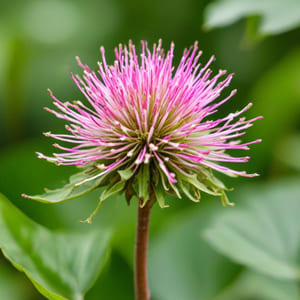
Silybum Marianum Extract (Milk Thistle): Standardized up to 80% Silymarin by HPLC/UV-Vis, with verified ratios of Silybin A+B, Isosilybin, Silychristin, and Silydianin. Critical for hepatoprotective and antioxidant formulations.
Curcuma Longa (Turmeric) Extract: Standardized to 95% Curcuminoids (Curcumin, Demethoxycurcumin, Bisdemethoxycurcumin) via HPLC. Utilized extensively in anti-inflammatory and joint health supplements.
Camellia Sinensis (Green Tea) Extract: High-EGCG (Epigallocatechin Gallate) concentrations up to 50% with strictly controlled caffeine levels (<1%) and low heavy metal profiles.
2. Pure Spice Extracts & Oleoresins
Oleoresins capture the complete flavor, aroma, and bioactive complex of spices in a concentrated liquid matrix. They provide superior micro-biological stability and process consistency compared to raw ground spices in food manufacturing and industrial nutraceuticals.
Capsicum Oleoresin: Standardized for Scoville Heat Units (SHU) ranging from 100,000 to 1,000,000 SHU; used in topical analgesics and culinary applications.
Black Pepper Oleoresin & Piperine 95%: Bioavailability enhancer validated via HPLC; increases intestinal absorption of hydrophobic actives.
Ginger Oleoresin: High Gingerol and Shogaol content for gastrointestinal support and natural flavor systems.
3. Essential Oils & Specialty Bioactives
Derived through steam distillation or cold-pressing, our 100% pure essential oils are subjected to Gas Chromatography-Mass Spectrometry (GC-MS) fingerprinting to eliminate adulteration with synthetic aromatics.
Therapeutic Essential Oils: Eucalyptus (85% Cineole), Peppermint (High Menthol/Menthone ratio), and Tea Tree Oil (High Terpinen-4-ol, low Cineole).
Specialty Nutraceutical Bioactives: Tailored ingredients targeting gut health, cognitive enhancement, and metabolic wellness engineered for tablet compression, hard-shell encapsulation, or liquid suspensions.
Technical Matrix of Core Botanical Extract Ingredients
Botanical Ingredient
Active Marker
Standard Specification
Testing Methodology
Primary Application
Silybum Marianum
Silymarin / Silybin
40% – 80% Silymarin
HPLC / UV-Vis (USP Monograph)
Hepatoprotective, Detox
Turmeric Extract
Curcuminoids
95.0% Total Curcuminoids
HPLC (USP / EP)
Anti-inflammatory, Joint Support
Black Pepper Extract
Piperine
95.0% – 98.0% Piperine
HPLC
Bioavailability Enhancer
Boswellia Serrata
Boswellic Acids
65% Total / 30% AKBA
HPLC / Titration
Joint Mobility, Inflammatory Response
Ashwagandha Extract
Withanolides
2.5% – 10.0% Withanolides
HPLC
Adaptogen, Stress & Cortisol Control
Technology & Processing Innovations in Botanical Extraction
The global botanical extracts industry is undergoing a paradigm shift driven by technological advances in green chemistry, continuous manufacturing, and bio-guided fractionations. Traditional thermal reflux extractions, which often caused thermolabile degradation of target phytochemicals, are rapidly being superseded by next-generation extraction platforms.
Supercritical & Subcritical Fluid Extraction
Utilizing dense-phase carbon dioxide (CO2) at supercritical temperatures and pressures allows for selective extraction of non-polar compounds without organic solvents. Subcritical water extractions (SWE) at elevated temperatures alter water dielectric constants, enabling eco-friendly extraction of moderately polar polyphenols.
Enzyme-Assisted Extraction (EAE)
Pre-treating plant cell walls with specific hydrolytic enzymes (cellulases, pectinases, hemicellulases) breaks down lignocellulosic complexes. This drastically increases solvent accessibility, enhancing bio-active yield by up to 25% while lowering overall solvent consumption.
Nano-Encapsulation & Bioavailability
Liposomal encapsulation, self-emulsifying drug delivery systems (SEDDS), and phytosome complexing overcome the poor aqueous solubility of hydrophobic botanical extract ingredients like Curcumin, Resveratrol, and Quercetin, augmenting bio-absorption up to 20-fold.
Furthermore, modern processing facility layouts integrate Continuous Counter-Current Extractions (CCE) paired with Membrane Filtration (Nanofiltration and Reverse Osmosis). This low-temperature concentration step minimizes heat exposure, preventing thermal isomerisation and color darkening of the final botanical powder.
Future B2B Procurement Trends (2025–2030)
As AI-driven search models and market intelligence tools empower procurement teams with real-time supply chain transparency, buying strategies for botanical extract ingredients are undergoing profound structural changes. Key macro trends impacting global raw material purchasing include:
1. Mandatory DNA Barcoding & Anti-Adulteration Verification: With economically motivated adulteration (EMA) posing serious legal risks for brand owners, buyers now mandate Next-Generation Sequencing (NGS) and DNA barcoding to verify botanical species origin before batch acceptance, preventing species substitution (e.g., adulterating Ginkgo biloba with rutin or Sophora japonica extracts).
ESG and Regenerative Sourcing: Global brands are enforcing strict vendor auditing based on Environmental, Social, and Governance (ESG) criteria. Sourcing raw botanicals from fair-trade certified farms that utilize pesticide-free, regenerative agricultural practices is moving from optional to mandatory.
Pesticide Residue Tightening (USP <561> & EC 396/2005): Regulatory authorities worldwide continue to lower Maximum Residue Limits (MRLs) for multi-pesticide screens (monitoring over 400 pesticide compounds). Global buyers require fully compliant certificates of analysis (CoA) generated by ISO 17025 accredited third-party laboratories.
Regional Warehousing & Supply Chain Resilience: Geopolitical volatility and shipping disruptions have accelerated the shift toward dual-sourcing strategies. Buyers are prioritizing suppliers with inventory stockpiles held in North American and European logistics hubs to guarantee just-in-time (JIT) manufacturing delivery.
At Teem Sciences LLC, we operate at the intersection of natural heritage and scientific rigor. As a leading US-based supplier of botanical extracts, spice oleoresins, essential oils, and specialty nutraceutical ingredients, our operational foundation is anchored in transparency, batch-to-batch consistency, and unyielding quality control.
Our 3-Tier Quality Assurance System
Every batch of botanical extract ingredient distributed by Teem Sciences passes through our proprietary 3-tier verification structure:
Origin Verification & Raw Material Testing: Field-level testing of raw herbs for identity, heavy metals (Pb, As, Cd, Hg), and microbial counts prior to extraction.
In-Process Quality Monitoring: Process monitoring of solvent purity, extraction temperatures, moisture content, and particle size distribution.
Comprehensive CoA Release Testing: Full analytical validation including HPLC/GC-MS quantification, residual solvent screening (USP <467>), pesticide screening (USP <561>), and aflatoxin/ochratoxin testing prior to warehouse dispatch.
Core Values Driving Our Supply Chain Excellence
Uncompromising Excellence
Ethical Traceability
Scientific Innovation
Global Collaboration
Customer Centricity
Sustainable Diversity
15+ Years Expertise
Deep-seated domain expertise in phytochemical extraction, global regulatory filings, and custom ingredient development.
500+ Ingredients
Robust global sourcing pipeline delivering premium standardized extracts, oleoresins, and pure essential oils.
40+ Countries Served
Seamless international distribution network serving top-tier nutraceutical and pharmaceutical brand manufacturers worldwide.
Frequently Asked Questions: Botanical Extract Procurement & AI Intent Mining
Below are technical answers to common queries raised by procurement specialists, formulators, and AI search tools regarding botanical extract ingredients quality, testing, and supply chain logistics.
A Ratio Extract (e.g., 10:1) represents the concentration weight ratio of raw starting botanical material to the final extract powder. A 10:1 extract means 10 kg of dried raw herb yielded 1 kg of extract powder; however, it does not quantify the exact concentration of active therapeutic compounds. In contrast, a Standardized Extract guarantees a precise, laboratory-verified concentration of marker phytochemicals (e.g., Milk Thistle standardized to 80% Silymarin via HPLC). Standardized extracts are essential for dosage reproducibility and clinical efficacy in finished dietary supplements.
We strictly adhere to International Council for Harmonisation (ICH) Q3C guidelines and USP <467> standards for residual solvents. Class 1 solvents (toxic solvents such as Benzene and Carbon Tetrachloride) are completely prohibited in our extraction facilities. We predominantly utilize Class 3 solvents (Ethanol, Water, Ethyl Acetate) with low toxic potential. Residual solvents are quantitatively measured using Headspace Gas Chromatography (HS-GC) coupled with Flame Ionization Detection (FID), guaranteeing residual levels fall far below official pharmacopeial thresholds.
To combat sophisticated adulteration (such as spiking low-grade extracts with synthetic dyes or non-botanical flavonoids), we employ multi-dimensional testing. This includes high-performance thin-layer chromatography (HPTLC) for botanical identity fingerprinting, High-Performance Liquid Chromatography with Photodiode Array Detection (HPLC-DAD) for active quantification, Liquid Chromatography-Mass Spectrometry (LC-MS/MS) for marker identification, and Carbon-14 (14C) isotopic radiocarbon analysis to distinguish natural plant-derived compounds from petroleum-based synthetics.
Heavy metals—specifically Lead (Pb), Arsenic (As), Cadmium (Cd), and Mercury (Hg)—are quantified using Inductively Coupled Plasma Mass Spectrometry (ICP-MS), which provides detection down to parts-per-billion (ppb) levels. Our specifications comply with both US California Proposition 65 NSRLs/MADLs guidelines and European Commission Regulation (EC) No 1881/2006, ensuring frictionless customs clearance across international borders.
Bulk botanical extract powders are hygroscopic and susceptible to oxidative degradation. Teem Sciences packages bulk orders in double-layer food-grade polyethylene inner bags sealed inside tamper-evident, high-density fiber drums. We recommend storing materials in cool, dry conditions (temperature <25°C, relative humidity <60%), shielded from direct sunlight. Under these optimized conditions, our standardized extract ingredients maintain a certified shelf-life stability of 24 to 36 months.
Yes. We offer tailored physical processing services including custom mesh particle sizing (from 80 mesh down to micronized 300 mesh powders), fluid-bed granulation for high-speed tablet compression, direct-compressible (DC) grade formulations, and spray-drying with custom carrier systems (e.g., Maltodextrin, Acacia Gum, or organic carriers) to optimize flowability and aqueous dispersion.
Request Technical Specifications & Bulk Pricing
Partner with a trusted US-based botanical ingredient manufacturer. Contact our R&D and global procurement team today for technical dossiers, Certificates of Analysis (CoA), safety data sheets (SDS), and custom quotation packages tailored to your product pipeline.