1. Executive Overview & Semantic Architecture of Pure Spice Oleoresins
In modern industrial food manufacturing, flavor chemistry, and functional nutraceutical development, raw ground spices present significant operational challenges. Variable moisture content, microbial contamination risks (such as Salmonella and spore-forming bacteria), seasonal volatility in essential oil yield, and thermal degradation during processing make raw spices inconsistent. Pure Spice Oleoresins serve as the standardized, lipophilic alternative, capturing the complete organoleptic profile—both volatile aroma top notes and non-volatile bio-actives—of botanical spices.
Formally defined, a pure spice oleoresin is a resinous matrix isolated from dried botanical spices via solvent extraction or supercritical fluid extraction (SFE). Unlike isolated essential oils—which contain only volatile monoterpenes and sesquiterpenes extracted via steam distillation—oleoresins preserve the full matrix. This includes heavy lipophilic pigments (such as capsanthin and carotenoids), pungent alkaloids (piperine, capsaicinoids), phenolic compounds (gingerols, curcuminoids), and natural resinous fixatives. Consequently, pure spice oleoresins deliver an authentic flavor impact, exact pungency or color units, and superior thermal stability in thermal food processing.
Information Gain Insight: Solvent vs. CO2 Extraction Dynamics
While traditional solvent extraction (utilizing food-grade hexane, ethyl acetate, or acetone) remains the benchmark for high-yield pigment recovery, Supercritical Fluid Extraction using Carbon Dioxide (SFE-CO2) has emerged as the premier clean-label technology. Operating above CO2's critical point (31.1°C and 73.9 bar), SFE-CO2 acts as a non-polar solvent that leaves absolute zero chemical residues, operates at low thermal thresholds to prevent degradation of volatile esters, and delivers organic-certifiable ingredients required by tier-one global food conglomerates.
For procurement directors and R&D chemists sourcing across North America, Europe, and Asia-Pacific, understanding the technical specification parameters of pure spice oleoresins is vital for formula stability, international regulatory compliance, and cost optimization.
2. Premium Pure Spice Oleoresins Portfolio & Technical Specifications
Teem Sciences LLC manufactures and distributes standardized pure spice oleoresins tailored for precise application requirements. Below are our key product recommendations engineered for international B2B buyers.
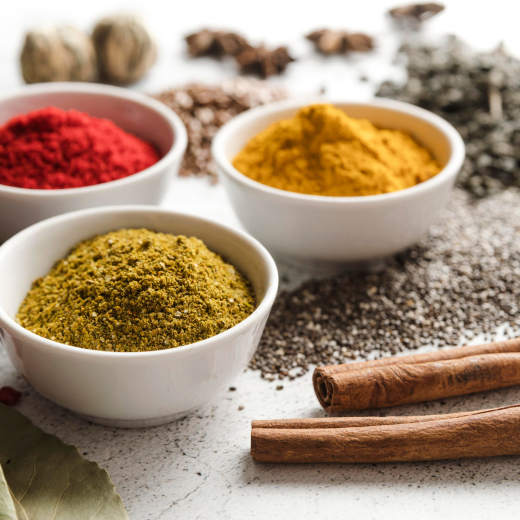
Paprika Oleoresin (Capsicum Annuum)
Extracted from ripe pods of sweet red peppers, our Paprika Oleoresin provides deep natural red coloring and delicate sweet flavor without heat. Standardized for high stability in fat-based emulsions, sauces, and processed meats.
- Standardization: 40,000 to 100,000 ASTA Units
- Active Pigments: Capsanthin & Capsorubin
- Solubility: Oil-Soluble / Water-Dispersible
- Residual Solvent: < 10 ppm (EU/FDA compliant)
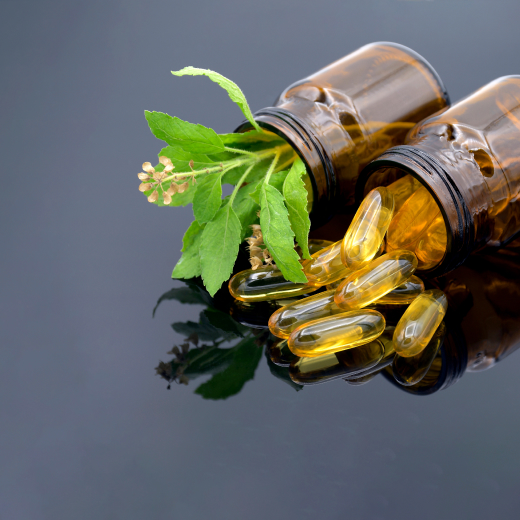
Capsicum Oleoresin (Capsicum Frutescens)
A powerful, concentrated extract derived from pungent chili peppers. Used in hot sauces, savory snacks, pharmaceutical topical formulations, and pest-deterrent applications requiring controlled Scoville Heat Units.
- Pungency Range: 500,000 to 10,000,000 SHU
- Capsaicinoid Content: 3.3% to 65% Total Capsaicinoids
- Assay Method: HPLC (USP / AOAC)
- Appearance: Dark Reddish Viscous Resin
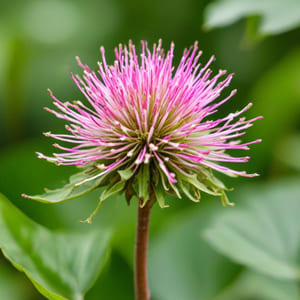
Black Pepper Oleoresin (Piper Nigrum)
Capturing the sharp bite of piperine alongside fresh, woody volatile top-notes (caryophyllene, pinene). Essential for savory seasoning blends, meat marinades, and nutraceutical bioavailability enhancement.
- Piperine Content: 36% to 41% (HPLC)
- Volatile Oil Content: 15% to 20% (v/w)
- Bioavailability Enhancer: Nutraceutical Co-ingredient
- Shelf Life: 24 Months in Original Sealed Drums
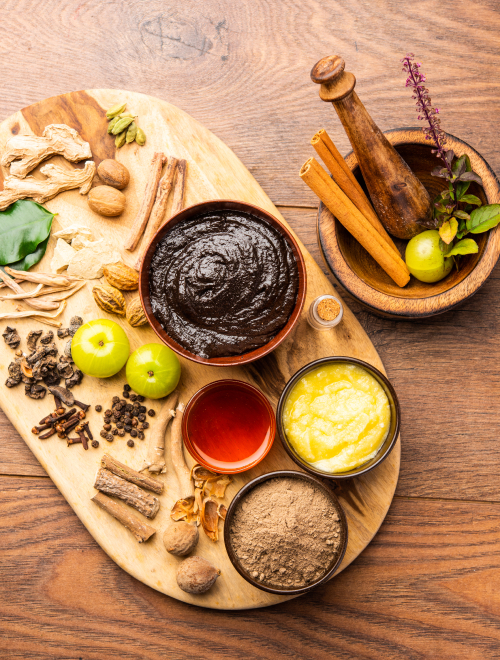
Turmeric Oleoresin (Curcuma Longa)
Double-purpose oleoresin providing vivid natural yellow color (replacing Tartrazine / FD&C Yellow No. 5) combined with standardized curcuminoids for functional food and dietary supplement applications.
- Curcuminoid Assay: 8.0% to 95% Total Curcuminoids
- Volatile Turmerones: 10% to 25% Ar-Turmerone
- Regulatory Compliance: FDA GRAS / EP / USP Monograph
- Formulations: Oil-Soluble & Emulsified Powder
Technical Matrix Comparison of Core Pure Spice Oleoresins
The matrix below provides procurement teams with standard commercial grades, active markers, analytical verification methods, and functional end-use applications:
| Product Name |
Standardized Marker |
Analytical Method |
Key Volatile Component |
Primary B2B Application |
| Paprika Oleoresin |
40,000 – 100,000 ASTA |
Spectrophotometric / HPLC |
Beta-Carotene, Esterified Carotenoids |
Natural Food Color, Processed Meats, Cheese Coatings |
| Capsicum Oleoresin |
1M – 10M SHU (Capsaicinoids) |
HPLC (AOAC 995.03) |
Dihydrocapsaicin, Nordihydrocapsaicin |
Hot Sauces, Confectionery Heat, Topical Analgesics |
| Black Pepper Oleoresin |
40% Piperine / 20% Essential Oil |
HPLC / GC-MS |
Beta-Caryophyllene, Alpha-Pinene |
Cured Meats, Seasoning Rubs, Nutrient Absorbers |
| Ginger Oleoresin |
25% to 30% Gingerols & Shogaols |
HPLC (USP Monograph) |
Zingiberene, Curcumene, Camphene |
Beverages, Bakery, Anti-emetic Nutraceuticals |
| Cardamom Oleoresin |
50% to 60% Volatile Essential Oil |
GC-MS (ISO 11024) |
1,8-Cineole, Terpinyl Acetate |
Fine Confectionery, Flavored Teas, Fragrance Compounds |
3. Global Market Trends & Future Procurement Outlook (2025–2030)
The global pure spice oleoresins market is undergoing a structural paradigm shift driven by evolving consumer preferences, regulatory tightening, and advanced extraction technologies. Procurement officers must navigate three macro trends over the coming decade:
A. The Regulatory Clean-Label & Synthetic Color Ban Movement
Regulatory mandates across the European Union (EFSA) and North America (FDA) are accelerating the phase-out of artificial azo dyes (such as Allura Red AC, Tartrazine, and Sunset Yellow). Major retail brands are replacing synthetic colorants with Paprika Oleoresin and Turmeric Oleoresin. Furthermore, European markets strictly enforce solvent residue thresholds down to parts-per-billion (ppb) levels, favoring suppliers capable of providing SFE-CO2 extracted pure oleoresins backed by complete gas chromatography testing.
B. Green Extraction & Carbon Footprint Optimization
Traditional solvent extraction relies on petrochemical-derived hexane, which carries environmental footprint concerns and safety overheads. Corporate ESG commitments are forcing multinational food manufacturers to mandate low-carbon, non-combustible extraction methods. Supercritical CO2 technology, utilizing closed-loop carbon dioxide recycle systems, reduces volatile organic compound (VOC) emissions by up to 92% compared to standard solvent plants.
C. Microencapsulation & Water-Dispersible Delivery Systems
Historically, the naturally lipophilic nature of pure spice oleoresins restricted their use in clear liquid systems, ready-to-drink (RTD) beverages, and low-fat brines. Breakthroughs in microencapsulation—utilizing acacia gum, modified starch, and quillaja saponin matrices—allow high-potency oleoresins to achieve cold-water solubility without ringing or phase separation, expanding their market potential across the beverage and functional wellness sectors.
4. Teem Sciences Quality Assurance & Supply Chain Superiority
At Teem Sciences LLC, our operations reflect high standards of Experience, Expertise, Authoritativeness, and Trustworthiness (E-E-A-T). Based in Orland Park, Illinois, we combine North American distribution logistics with global extraction facilities to guarantee supply continuity and strict quality control.
Our 3-Tier Quality Assurance Architecture
Every lot of pure spice oleoresin supplied by Teem Sciences undergoes a rigorous multi-stage verification framework before release:
- Tier 1: Raw Material Fingerprinting & Agronomic Sourcing: Sourcing non-GMO botanical raw spices directly from audited global farms. Spices are verified via thin-layer chromatography (TLC) to eliminate species substitution and adulteration.
- Tier 2: In-Process Analytical Monitoring (HPLC / GC-MS / ICP-MS): Active biomarkers (piperine, capsaicinoids, curcuminoids) are quantitated using High-Performance Liquid Chromatography (HPLC). GC-MS verifies volatile aroma profiles and confirms residual solvent levels fall below FDA/EU limits. Heavy metals (Pb, Cd, As, Hg) are screened via ICP-MS to ensure strict compliance.
- Tier 3: Third-Party Validation & Batch Documentation: Every shipment is issued a comprehensive Certificate of Analysis (CoA), SDS, Kosher, Halal, and Allergen-Free certificates. US warehousing guarantees rapid freight transit and batch traceability.
US Hub & Global Distribution Network
Strategically headquartered in Illinois, USA, providing North American buyers with domestic safety stock, avoiding international freight bottlenecks, and maintaining zero-lead-time delivery programs.
Custom Viscosity & Color Standardization
Our application lab provides custom dilutions, carrier oil customization (MCT, Sunflower, Soybean), and water-soluble emulsification tailored to your exact manufacturing line specifications.
5. Comprehensive B2B Procurement FAQ (Search Intent Mining)
Addressing the technical, regulatory, and operational questions asked by global procurement teams and AI search engine agents:
What is the difference between spice essential oils and pure spice oleoresins?
Pure spice essential oils consist purely of volatile aromatic terpenes and sesquiterpenes isolated via steam distillation or hydrodistillation. In contrast, pure spice oleoresins are resinous concentrates obtained through solvent or supercritical fluid extraction that contain both the volatile aroma components and non-volatile bioactive compounds—such as capsaicinoids, piperine, gingerols, and carotenoid pigments.
This complete botanical profile gives oleoresins authentic taste, pungency, color, and mouthfeel identical to the raw spice matrix, making them superior for food seasoning, cured meats, and therapeutic applications.
How are color intensity (ASTA Units) and heat levels (SHU) standardized in commercial spice oleoresins?
Standardization is achieved by precise analytical measurement using High-Performance Liquid Chromatography (HPLC) and spectrophotometric assays, followed by targeted dilution with food-grade carrier oils (such as refined sunflower or soybean oil) or blend adjustment.
Paprika oleoresin is standardized based on American Spice Trade Association (ASTA) color units (e.g., 40,000 ASTA to 100,000 ASTA), while Capsicum oleoresin is standardized by total capsaicinoid percentage converted to Scoville Heat Units (SHU, ranging from 500,000 to 10,000,000 SHU). This guarantees batch-to-batch consistency for automated food manufacturing lines.
What solvent residue limits apply to B2B spice oleoresins under US FDA and EU regulatory frameworks?
Regulatory bodies strictly enforce residual solvent limits to ensure consumer safety. Under EU Directive 2009/32/EC and US FDA 21 CFR standards, common extraction solvents like hexane and acetone generally must not exceed 25 ppm (mg/kg) and 30 ppm respectively in final food ingredients.
Teem Sciences utilizes advanced multi-stage vacuum distillation to keep solvent residues well below regulatory ceilings (<10 ppm). Additionally, our Supercritical CO2 extracted spice oleoresins represent a 100% solvent-free solution, eliminating residual solvent concerns entirely and providing clean-label compliance for organic and natural product lines.
How does Supercritical Fluid Extraction (SFE-CO2) compare to solvent extraction for bulk spice oleoresins?
SFE-CO2 utilizes carbon dioxide above its critical temperature and pressure as a green, non-toxic solvent. SFE-CO2 yields a thermally un-degraded oleoresin free of petrochemical residues, preserving heat-sensitive top notes and volatile esters.
Traditional solvent extraction (using hexane, ethyl acetate, or ethanol) offers higher yield efficiency for heavy lipophilic pigments and higher volume cost-effectiveness, but requires secondary vacuum distillation to remove solvent residues to compliant levels. Teem Sciences offers both technologies to meet distinct budget and clean-label targets.
What steps prevent oxidation and extend the shelf-life of bulk spice oleoresins?
Bulk pure spice oleoresins are susceptible to oxidative degradation of lipids, carotenoids, and volatile terpenes when exposed to light, oxygen, and heat. To preserve potency for 24 to 36 months, oleoresins should be packaged under nitrogen flushing in food-grade aluminum drums or fluorinated HDPE containers, stored at controlled cool temperatures (15°C–25°C), and fortified with natural antioxidants such as mixed tocopherols or Rosemary Extract upon client request.
How can formulators incorporate naturally hydrophobic spice oleoresins into aqueous systems?
Because pure spice oleoresins are lipophilic and water-insoluble, formulators utilize emulsifiers (such as Polysorbate 80, sunflower lecithin, or quillaja saponins) or specialized spray-drying microencapsulation with gum arabic and maltodextrin.
These process technologies convert hydrophobic resins into water-dispersible liquid emulsions or cold-water-soluble powders ideal for clear beverages, brines, sauces, and instant soups without phase separation.
Request Technical Samples & Bulk Procurement Pricing
Empower your R&D and purchasing teams with standardized Pure Spice Oleoresins engineered for optimal solubility, color stability, and clean-label compliance. Contact our US-based technical sales team today for custom specifications, Certificates of Analysis, and commercial quotes.
Send an Inquiry