Industry Knowledge & Research

Botanical Insights & Scientific Trends

In-depth articles, technological advances, and market analyses in the global natural ingredients sector.

0%

Cosmeceutical Essential Oils bring botanical aroma and skin-care positioning into one product category. Think of a light serum with a trace of lavender, or a cleanser carrying a crisp citrus note. Their appeal lies in sensory experience, recognizable plant origins, and growing interest in ingredient-led beauty. Yet a natural scent alone does not establish a skin benefit.

Grand View Research valued the global essential oils market at USD 23.74 billion in 2023. It forecast a 9.2% compound annual growth rate from 2024 to 2030. This figure covers essential oils broadly, not cosmeceutical formulations alone. It signals a wider market trend, rather than proof of clinical effectiveness. Consumers may seek products that feel calming or botanically inspired, but claims still need evidence. A pleasant aroma is not a treatment result.

Robert Tisserand, co-author of Essential Oil Safety, is a recognized educator on essential-oil use. His safety guidance emphasizes dilution and exposure. Paraphrased, his message is: “Botanical origin does not guarantee skin gentleness; concentration and exposure matter.” That distinction deserves attention. Essential oils can irritate some skin, especially when formulations are poorly designed or used too often. Responsible brands therefore need clear ingredient information, careful formulation, and realistic claims. The category is growing, but its promise should not outrun its evidence.
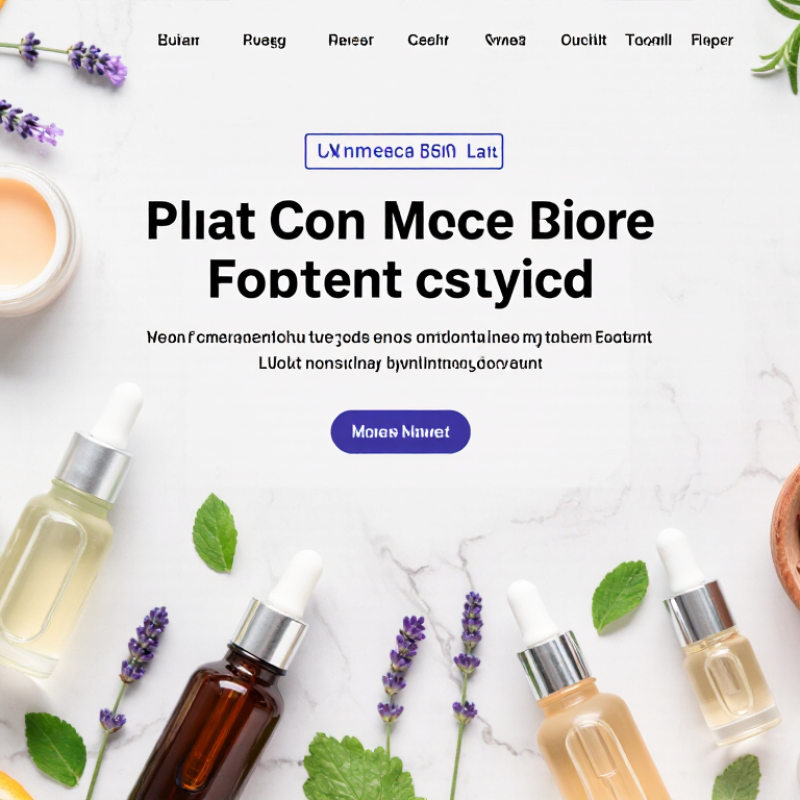
Why Are Cosmeceutical Essential Oils in Demand?

What Are Cosmeceutical Essential Oils?

Cosmeceutical essential oils are concentrated, volatile aromatic mixtures extracted from plants, commonly by steam distillation or pressing. In skin-care formulas, they may provide scent and contribute compounds studied for antioxidant or antimicrobial activity. The word “cosmeceutical” describes a cosmetics-and-science positioning; it does not guarantee a medicine-like effect. A label is not clinical proof.

Their appeal sits within a larger beauty market. Grand View Research estimated the global essential oils market at US$23.74 billion in 2023, forecasting 9.2% annual growth from 2024 to 2030. That figure covers many uses, not just skin care. Cosmetics Europe reported European cosmetics and personal-care retail sales of €96 billion in 2023, showing the scale of the wider sector, rather than proving that oils drive sales.

For formulators, an oil’s identity, concentration, oxidation, and finished-product stability matter. A bottle left near a sunny bathroom window may degrade over time. Some oils can irritate sensitive skin, and certain citrus oils may increase sun sensitivity. Small details matter. Evidence from laboratory studies does not always predict results on human skin, so claims should match the evidence and the finished formula. Grand View Research, Essential Oils Market Report; Cosmetics Europe, 2024 Market Performance.

How Are These Oils Formulated for Skincare?

Formulating cosmeceutical essential oils for skincare starts with a clear purpose. The oil may add fragrance or support a product’s sensory profile, but it should not be treated as a cure for skin conditions. A formulator reviews its composition, intended use, and potential to irritate or trigger sensitization. Small details matter.

A drop is not a dose.

Essential oils are usually blended into a suitable carrier, such as a lightweight plant oil, or dispersed through an emulsion with appropriate emulsifiers. Their concentration must be selected for the specific oil, product type, and area of application; there is no single dilution that fits every formula.

The blend is then checked for scent, texture, separation, and changes during stability testing. Light and air can degrade some aromatic compounds, so opaque, tightly closed packaging may help protect the formula.

Not every formula behaves as expected. A patch test can help identify individual reactions, though it cannot guarantee that irritation will never occur. Formulators should document ingredients and use evidence-based safety guidance before making skin-related claims.

What Benefits and Limitations Do They Have?

Why Are Cosmeceutical Essential Oils in Demand?
What Benefits and Limitations Do They Have?

Essential oils appeal to skincare makers and consumers seeking aromatic, plant-derived ingredients. Grand View Research valued the global essential oils market at US$24.06 billion in 2023 and forecast 11.8% annual growth through 2030. This broad market includes uses beyond skincare; it signals demand, not proven skin benefits. In formulated products, certain oils may add fragrance or antioxidant activity. Some laboratory findings are promising, but they do not guarantee visible results on human skin.

The drawbacks deserve equal attention. Essential oils contain concentrated volatile compounds that may irritate skin or trigger allergic contact dermatitis, especially on sensitive or damaged areas. Some citrus oils can also increase sun sensitivity, depending on how they are extracted. “Natural” does not mean gentle. Evidence varies by oil, dose, and finished formula, so I would not assume that a familiar scent makes a product safer. That distinction is easy to overlook.

Tips: Check the ingredient list and follow the product’s directions. Patch-test a small area first, and stop use if burning or persistent redness develops. For reactive skin, fragrance-free options may be a more cautious choice.

Why Are Cosmeceutical Essential Oils in Demand? — Benefits and Limitations

Dimension Why It Attracts Interest Potential Benefits Limitations and Considerations
Consumer appeal Plant-derived ingredients and recognizable botanical aromas appeal to consumers seeking nature-inspired personal-care products. Can add a distinctive scent and contribute to a product’s botanical identity. “Natural” does not automatically mean safer, gentler, or more effective. Essential oils are concentrated mixtures of fragrance chemicals.
Skin-feel and fragrance Volatile aromatic compounds can provide a noticeable sensory experience during application. May improve a product’s aroma and perceived user experience. Fragrance is not a skin-treatment benefit. Aroma preferences are personal, and fragrance components may trigger irritation or allergic contact dermatitis.
Antioxidant activity Some essential oils and their constituents show antioxidant activity in laboratory tests. Research suggests potential to help limit oxidative processes under specific test conditions. Laboratory findings do not establish that a finished topical product protects human skin or delivers a clinically meaningful effect. Formula stability and concentration matter.
Antimicrobial research Some oils have demonstrated activity against microorganisms in laboratory studies, attracting interest for cosmetic preservation and skin-care research. May be useful as a research ingredient or as one component of a carefully developed formula. In-vitro activity does not prove effectiveness on skin. Essential oils should not be assumed to replace validated preservation systems or medical treatment.
Product differentiation A varied range of botanical oils allows formulators to create products with distinct aromatic profiles and ingredient stories. Can support product variety across cleansers, moisturizers, and other leave-on or rinse-off cosmetics. Composition can vary with plant species, growing conditions, extraction method, storage, and batch. Standardization and quality control are important.
Skin compatibility Interest in plant-based formulas has encouraged research into how essential oils and their individual constituents interact with skin. When appropriately selected and formulated, an oil may be used in a cosmetic product for its fragrance or other intended formulation role. Some oils or constituents can irritate or sensitize skin, especially at unsuitable concentrations or after repeated exposure. A patch test cannot guarantee that a reaction will not occur.
Sun exposure Essential oils are included in some scented skin-care products used during daytime routines. They may contribute fragrance or other formulation properties, depending on the oil and product. Certain expressed citrus oils can be phototoxic because of furocoumarins. Oil type, processing, concentration, and exposure are relevant; follow product safety guidance and applicable standards.
Formulation and storage Essential oils can be incorporated into different cosmetic formats when the formula is designed for them. Can provide fragrance and selected functional properties within a stable, well-tested formulation. They may oxidize over time, and oxidation can increase sensitization risk. Suitable packaging, storage, stability testing, and ingredient specifications are important.
Overall evidence Ongoing scientific interest and consumer demand keep botanical ingredients prominent in cosmetic development. Evidence may support specific properties of particular oils or constituents under defined conditions. Evidence for one oil, concentration, or laboratory condition cannot be generalized to every essential oil or finished product. Cosmetic claims should be supported by appropriate product-specific evidence.

Note: Essential oils are concentrated ingredients, not interchangeable with whole-plant extracts. Suitability depends on the specific oil, its composition, concentration, product type, and intended use. People with sensitive skin or known fragrance allergies should review ingredient information and seek professional advice when needed.

Why Is Consumer Demand for Them Growing?

Consumer interest in cosmeceutical essential oils is growing partly because people want skincare to feel more personal. A few drops of a botanical-scented product can make an evening routine feel calming and deliberate. That sensory experience matters. Shoppers also look for ingredient lists they can understand and products that combine skincare with a pleasant aroma. Yet a plant-derived ingredient is not automatically safer or more effective. “Natural” can sound reassuring, but the label alone says little about how a formula performs on skin.

Demand is also shaped by curiosity about familiar oils, such as lavender or tea tree, and the stories behind their use. Consumers increasingly compare ingredients, read product guidance, and ask how an oil is formulated. Good information should explain concentration, intended use, and possible sensitivity—not promise dramatic results. Essential oils can irritate some skin, especially when used undiluted, and fragrance-sensitive users may prefer unscented options. A cautious patch test can be sensible, though it cannot predict every reaction. The market’s appeal is clear; the evidence behind individual skincare claims still deserves a closer look.

Where Are Cosmeceutical Essential Oils Used?

Where Are Cosmeceutical Essential Oils Used?

Cosmeceutical essential oils are found in facial cleansers, moisturizers, masks, and treatment oils. A cleanser may contain a small amount for scent, while a leave-on serum keeps ingredients against skin for hours. The finished formula matters more than the oil’s reputation. An ingredient name alone does not prove a product will improve skin.

They also appear in scalp treatments, shampoos, body lotions, and massage products. A few drops can scent a large batch, but concentration and even distribution matter. Placement matters. Essential oils are concentrated, so they are generally diluted in finished products rather than applied neat. Tea tree or lavender oils, for example, may suit some formulas but can irritate sensitive skin. Patch testing is sensible, though it cannot predict every reaction.

In spas and professional skincare settings, essential oils may be included in facial or body treatments for their aroma and sensory feel. Their role should be described carefully; a pleasant scent is not a medical result. Oxidation can also change an oil over time, especially when a bottle is warm or left open. Less is often wiser. This category can sound more precise than it is, and that is worth remembering when choosing a product.

Why Are Essential Oils in Demand? Where Are They Used?

The global essential oils market is projected to grow, supported by demand across personal care, aromatherapy, food and beverage, and other applications.

Skincare and haircare formulations use essential oils for fragrance and sensorial qualities; some are also included for specific functional properties. Values show the overall essential oils market, not the cosmeceutical segment alone. 2023 baseline and 2024–2030 CAGR are reported by Grand View Research; intervening values are calculated using the reported 9.0% CAGR.

FAQS

What are cosmeceutical essential oils?

They are concentrated, aromatic plant extracts used in some skincare formulas. “Cosmeceutical” does not prove a medical effect.

What do essential oils add to skincare products?

They may add fragrance and contribute compounds studied for antioxidant activity. Laboratory findings do not guarantee visible results on skin.

How are essential oils blended into skincare?

They may be mixed with a carrier oil or dispersed in an emulsion. The formula is checked for scent, texture, separation, and stability.

Is there one safe dilution for every essential oil?

No. Suitable concentrations depend on the oil, product, and application area. A drop is not a dose.

Can essential oils irritate sensitive skin?

Yes. Concentrated compounds may cause irritation or allergic reactions, especially on sensitive or damaged skin. “Natural” does not always mean gentle.

Can citrus oils affect sun sensitivity?

Some citrus oils may increase sun sensitivity, depending on how they were extracted. Check product directions and use care outdoors.

How should essential-oil skincare products be stored?

Keep containers tightly closed and away from direct sunlight. A bottle beside a sunny bathroom window may degrade over time.

Does a patch test guarantee a product will be safe?

No. It may help reveal an individual reaction, but it cannot guarantee irritation will never occur. I would not treat it as proof.

Conclusion

Cosmeceutical Essential Oils are aromatic plant-derived oils incorporated into skincare products to complement their intended cosmetic effects. They are typically blended with carrier oils, creams, or other carefully selected ingredients, with attention to concentration, product stability, and skin compatibility. Depending on the oil and formulation, they may contribute fragrance and provide moisturizing or soothing support, but they are not a substitute for medical treatment. Their concentrated nature also means that some people may experience irritation or sensitivity, so appropriate dilution and careful product testing are important.

Interest in these oils is growing as consumers seek plant-based ingredients, appealing sensory experiences, and skincare products that feel tailored to their needs. They can be found in products such as facial oils, creams, cleansers, and body care formulations. Their suitability depends on the specific ingredients, formulation, and individual skin type, making clear labeling and responsible use essential.

Sophia

Sophia

Sophia is a seasoned marketing professional with a deep expertise in our company's core products and services. With a passion for crafting compelling narratives, she regularly updates our website with insightful blog posts that not only highlight our innovative offerings but also educate our......