Botanical Insights & Scientific Trends
In-depth articles, technological advances, and market analyses in the global natural ingredients sector.
Nutraceutical & Spice Innovation
Discover analytical techniques, extraction purity standards, and formulation solutions for B2B global markets.
Plant-Based Bioactive Science
Updates on active botanical research, quality assurance compliance, and global sourcing strategies.
What Are Natural Flavor Essences and How Are They Used?
Natural Flavor Essences are concentrated aromatic ingredients used to create, strengthen, or restore flavor in food and beverages. They may come from fruits, herbs, spices, flowers, or other permitted natural sources. Their forms vary, including water-based extracts, oil-soluble concentrates, and spray-dried powders.
A small amount can change a product noticeably. In a test kitchen, two drops of citrus essence may brighten a glass of sparkling water. A vanilla essence can soften the sharp edge of a baked dessert. Manufacturers also use these ingredients in sauces, dairy products, confectionery, and plant-based drinks. Flavor specialists usually assess aroma, taste, stability, dosage, and compatibility with the recipe. Heat, acidity, storage time, and packaging can all affect performance.
The word “natural” sounds reassuring. However, it does not guarantee a simple ingredient or a superior product. Definitions and labeling requirements may differ between countries. Responsible manufacturers should provide traceable sourcing information, technical specifications, allergen details, and appropriate usage guidance. Buyers should also check whether an essence contains carriers, preservatives, or other supporting ingredients. That detail matters.
This guide explores how Natural Flavor Essences are produced, selected, and applied in practical food development. It also considers their limitations. Flavor results are not always predictable. A bright fruit note may fade during baking, while a spice essence may become stronger after storage. Careful testing remains essential, even when the ingredient appears straightforward.
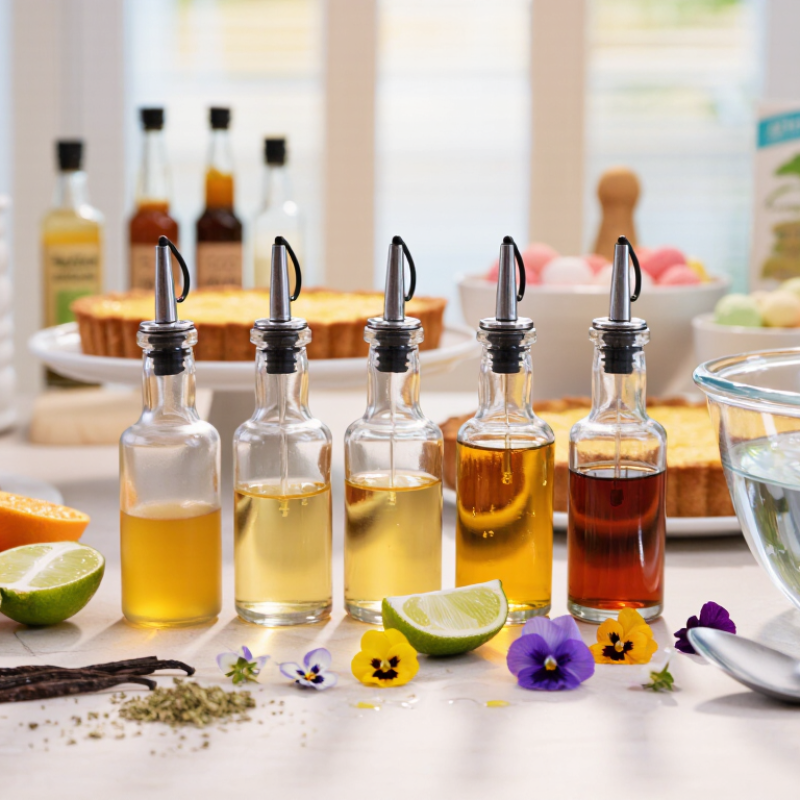
What Natural Flavor Essences Are
Natural flavor essences are concentrated aromatic substances obtained from natural sources such as citrus peels, herbs, spices, fruits, or other edible materials. They capture volatile compounds responsible for smell and part of taste. Common production methods include steam distillation, pressing, extraction, and careful concentration. The source and process matter. In many regions, “natural flavor” has a specific legal meaning, so labeling rules can differ by market.
An essence may be clear, oily, water-soluble, or carried in another food-grade medium. A few drops can suggest lemon zest, toasted spice, or ripe berry without adding much bulk. It does not automatically mean the ingredient is organic, unprocessed, or nutritionally superior. That assumption is worth questioning. Natural does not equal harmless for everyone. Sensitive people should check the full ingredient statement.
Food developers use these essences in drinks, baked goods, confectionery, sauces, dairy products, and plant-based foods. They can help maintain a recognizable aroma after heating or storage. However, performance depends on temperature, acidity, fat, and packaging. Citrus notes may fade quickly when exposed to air. A trained developer tests the essence at the final dosage, not only in a laboratory sample. Small changes can alter the balance. In my view, the best use is restrained: the aroma should support the food’s identity, not hide poor-quality ingredients. That judgment is subjective, and it still needs sensory testing and reliable documentation.
Where Natural Flavor Essences Come From
Natural flavor essences begin with materials that already carry a recognizable aroma. Citrus peels, vanilla beans, mint leaves, cinnamon bark, berries, flowers, coffee, and roasted nuts are common sources. Some essences also come from fermentation or other approved biological processes. The exact source depends on the desired flavor and local food regulations.
Producers first clean and prepare the raw material. They may press peels, steam-distill leaves, or extract compounds from dried spices. Gentle methods can protect delicate notes, such as the fresh scent of lemon zest. Heat can create deeper aromas, but excessive heat may damage bright, natural character.
Small details matter. Water quality, harvest timing, and storage conditions can change the final result.
The word natural sounds simple. It is not always simple. A natural essence can contain many aroma compounds, and its profile may vary between harvests. Skilled flavor professionals test each batch for identity, strength, purity, and consistency. They also check how the essence behaves in drinks, baked foods, sauces, or dairy products. An essence that smells excellent in a vial may taste weak after heating. That difference requires practical testing, not assumptions. I have found that even familiar ingredients can surprise the senses. A dried herb may offer warmth instead of freshness, while a citrus peel may become bitter when handled too aggressively. Careful sourcing and honest labeling help explain what the ingredient really is.
How Natural Flavor Essences Are Made
What Are Natural Flavor Essences and How Are They Used?
How Natural Flavor Essences Are Made
Natural flavor essences begin with aromatic plant materials, such as citrus peel, mint leaves, vanilla pods, or roasted spices. Producers inspect freshness, wash the material, and reduce it to smaller pieces. This exposes more surface area. The process is controlled, not flawless.
Manufacturers then capture volatile compounds through pressing, steam distillation, solvent extraction, or gentle concentration. Citrus oils may come from mechanical pressing, while delicate herbs often require low-temperature treatment. Filtration removes particles, and blending helps maintain consistent aroma. Some essences are diluted with approved carriers before use in beverages, bakery products, dairy foods, and confectionery.
According to the MarketsandMarkets Natural Flavors Market report, the sector was projected to grow from about $8.1 billion in 2023 to $11.2 billion by 2028. This growth reflects consumer interest in recognizable ingredients, but demand alone cannot guarantee quality. Natural flavor essences can change with harvest season, storage temperature, and oxidation. I find this variation easy to underestimate. A skilled flavor technologist tests each batch against sensory and analytical standards. Regulatory definitions also differ across markets, so “natural” should never be treated as a universal promise. The International Organization for Standardization and local food authorities encourage documented sourcing, traceability, and controlled processing.
How Natural Flavor Essences Are Used in Foods and Drinks
Natural flavor essences are concentrated aromatic components obtained from fruits, herbs, spices, flowers, or other edible plant materials. They can be carried in water, alcohol, glycerin, or oil. In practical production, formulators add them in tiny amounts to create a recognizable sensory profile. One drop may suggest a ripe peach, toasted vanilla, or crushed mint.
Their use is especially visible in foods and drinks. Beverage makers add citrus essence to sparkling water, tea, sports drinks, and reduced-sugar formulas. Bakery teams use vanilla, citrus, and spice essences when heat would weaken fresh ingredients. Dairy alternatives often need cocoa, coffee, or berry notes to soften plant-based flavors. Savory products may use roasted, garlic, or herb essences to strengthen aroma without adding bulk. Grand View Research estimated the global natural food flavors market at about USD 7.3 billion in 2023, showing strong commercial demand. MarketsandMarkets also forecasts continued growth through 2028.
Application is not simply a matter of adding more flavor. Excess essence can taste sharp, hollow, or artificial, even when its source is natural. Processing conditions matter. Heat, acidity, oxygen, and packaging can change the final aroma. In my experience, the best trials compare the product immediately, after processing, and after storage. The first sample can be misleading. Natural does not automatically mean better, either. Flavor scientists must balance sensory quality, ingredient compatibility, labeling requirements, and consistent supply.
Safety, Labeling, and Storage Considerations
What Are Natural Flavor Essences and How Are They Used?
Natural flavor essences are concentrated aromatic substances derived from plant, fruit, spice, or other permitted natural sources. They add recognizable notes to beverages, baked goods, sauces, and confectionery without changing the product’s basic texture. Their strength varies, so careful measurement matters. A few drops can influence an entire batch.
Safety depends on the specific ingredient, concentration, and intended use. “Natural” does not automatically mean safer, healthier, or suitable for direct consumption. Always choose food-grade material and follow the supplier’s recommended dosage. Check the label for allergens, carrier ingredients, and usage restrictions. Labeling rules differ by location, so manufacturers should verify current requirements with a qualified regulatory professional. This step is easy to underestimate.
Storage should be practical and consistent. Keep the container tightly closed, away from sunlight, heat, moisture, and strong-smelling chemicals. A cool cupboard is often better than a warm shelf near an oven. Use clean, dry tools to prevent contamination. Record the opening date and inspect changes in color, aroma, or texture. Discard it if the smell becomes sour, harsh, or unusually weak.
Tips: Read the full label, not only the flavor name. Measure with a clean dropper or scale. Test a small batch first. I still find that written storage notes prevent avoidable mistakes.
What Are Natural Flavor Essences and How Are They Used?
Natural flavor essences are concentrated aromatic components obtained from natural sources such as fruits, herbs, spices, or other plant materials. They are used to add or restore flavor in beverages, baked goods, confectionery, dairy products, and savory foods.
The chart shows common food-storage temperature references in degrees Celsius: cool room conditions, refrigeration, and freezing. Actual storage requirements vary by formulation, solvent, packaging, and supplier instructions. Keep containers tightly closed, protect them from heat, light, and moisture, and always follow the product specification.
For labeling, ingredients should be declared according to the applicable food regulations. The term “natural flavor” does not automatically indicate that a product is allergen-free, additive-free, or suitable for every dietary requirement.
FAQS
They are concentrated aromatic substances from fruits, plants, spices, flowers, or other permitted natural sources. A few drops can flavor a whole batch. Natural does not automatically mean healthier.
Common sources include citrus peels, vanilla beans, mint leaves, cinnamon bark, berries, flowers, coffee, and roasted nuts. Fermentation may also create approved flavor materials. The source depends on the desired taste.
Producers clean the material before pressing, steam-distilling, or extracting it. Gentle methods can protect delicate lemon or mint notes. Excessive heat may weaken fresh aromas. Small details matter.
They appear in sparkling water, tea, baked goods, sauces, dairy alternatives, and confectionery. Citrus can brighten a drink. Vanilla can support a warm bakery aroma. Savory essences can strengthen herbs or roasted notes.
Use the recommended dosage for the specific product. Start with a small trial batch. Too much essence may taste sharp, hollow, or strangely artificial. I sometimes expect more flavor, but stronger is not always better.
Yes. Heat, acidity, oxygen, and packaging can alter the aroma. A sample may smell excellent before baking, then taste weak afterward. Compare it immediately, after processing, and during storage.
Use food-grade material intended for the correct application. Read the full label for allergens, carriers, concentration, and usage restrictions. Labeling requirements vary by location. Confirm current rules with a qualified professional.
Keep the container tightly closed in a cool, dark, dry place. Avoid sunlight, heat, moisture, and strong-smelling chemicals. Use clean tools. Record the opening date. Discard it if the aroma becomes sour, harsh, or unusually weak. Not every storage mistake is obvious.
Conclusion
Natural Flavor Essences are concentrated aromatic components derived from natural sources such as fruits, herbs, spices, flowers, and other edible plant materials. They capture specific scents and tastes and are used to enhance or complement the sensory character of foods and beverages. These essences may come from fresh ingredients, peels, seeds, leaves, or other naturally occurring parts of plants. Their production generally involves carefully extracting and concentrating volatile flavor compounds while preserving the desired aroma and taste.
In food and drink applications, Natural Flavor Essences can improve consistency, strengthen delicate flavors, and create appealing sensory profiles in products such as beverages, baked goods, desserts, sauces, and snacks. Their use should follow applicable safety requirements, ingredient standards, and labeling rules, including accurate disclosure of the flavor’s nature and any required supporting ingredients. Proper storage is also important: sealed containers, suitable temperatures, and protection from light and moisture can help maintain quality, freshness, and stability throughout the product’s intended shelf life.

Blog Tags: