Industry Knowledge & Research

Botanical Insights & Scientific Trends

In-depth articles, technological advances, and market analyses in the global natural ingredients sector.

0%

In the competitive world of food manufacturing, sourcing quality spice extracts and oleoresins is critical. According to industry expert Dr. Sarah Lin, "Quality in spice extracts and oleoresins can define the final product's success." Her insights underscore the importance of understanding the sourcing process.

Spice extracts and oleoresins offer a blend of flavor and aroma. These natural compounds are essential for food, cosmetics, and pharmaceuticals. Identifying reliable suppliers can be challenging. Many factors can affect quality, such as growing conditions and extraction methods.

The market demands consistency and quality. Without proper sourcing, standardization becomes nearly impossible. Invariably, some suppliers may prioritize cost over quality. Therefore, companies must adopt rigorous standards. The consequences of poor sourcing can undermine product integrity. This reflection highlights the necessity of due diligence in the selection of spice extracts and oleoresins.
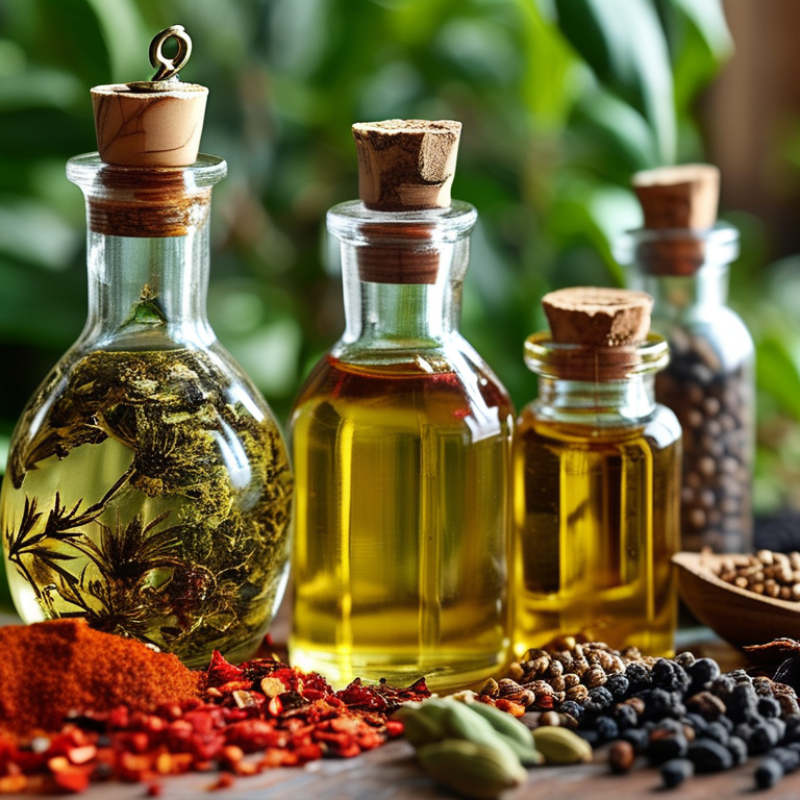
2026 How to Source Quality Spice Extracts and Oleoresins?

Understanding Spice Extracts and Oleoresins: An Overview

Spice extracts and oleoresins are essential components in the food and fragrance industries. They provide concentrated flavors and aromas from herbs and spices. The global market for spice extracts is projected to reach $6.5 billion by 2026, highlighting their growing importance. These extracts capture the essence of spices through various extraction techniques. Choices include steam distillation, solvent extraction, and cold pressing. Each method influences the quality and flavor profile of the final product.

Understanding the differences between spice extracts and oleoresins is crucial. Spice extracts are typically concentrated liquids obtained from spices, containing essential oils and flavor compounds. Oleoresins, on the other hand, are semi-solid extracts that retain both volatile and non-volatile flavor compounds. According to industry reports, demand for oleoresins has increased by 15% annually, driven by their use in natural food and health products. The extraction method impacts the sensory qualities. For example, steam distillation can elevate some flavors but may lose others.

Quality sourcing demands attention to detail. An emphasis on sustainable practices and traceable supply chains is vital. There are challenges. Not all suppliers maintain consistent quality, and variations can occur due to growing conditions. This inconsistency can affect both price and customer satisfaction. Monitoring the extraction process is equally important. Quality checks must be in place to ensure the final products meet industry standards and consumer expectations.

2026 Quality Spice Extracts and Oleoresins Sourcing Analysis

Identifying Quality Standards for Spice Extracts and Oleoresins

When sourcing spice extracts and oleoresins, quality standards are vital. Not all products are created equal. It's essential to understand the key criteria that define a quality extract. First, consider the sourcing method. Are the spices ethically harvested? Sustainable practices contribute to both quality and environmental health.

What about the extraction process? Solvent extraction versus steam distillation can lead to varied results. Each method affects flavor, aroma, and potency. Research shows that natural methods often yield superior extracts. Yet, many suppliers still use synthetic processes, leaving buyers uncertain about quality. It is important to ask detailed questions regarding the extraction methods used.

Laboratory testing is crucial for quality assurance. Look for third-party certifications that verify purity and potency. Many suppliers do not provide these certifications. This lack of transparency can be troubling. Testing for contaminants also plays a role. Heavy metals and pesticides can taint the desired quality. Buyers should insist on comprehensive lab results before making commitments. Identifying quality standards involves diligence and a willingness to question sourcing practices.

2026 How to Source Quality Spice Extracts and Oleoresins? - Identifying Quality Standards for Spice Extracts and Oleoresins

Quality Parameter Description Standard Value Testing Method
Color Visual inspection or colorimetric analysis Natural rich color typical for the spice Spectrophotometry
Flavor Characteristic flavor profile of spice Strong, distinctive profile Sensory evaluation
Purity Percentage of spice vs. adulterants Minimum 95% purity Gas Chromatography (GC)
Moisture Content Amount of water present in extract Less than 10% Loss on drying method
Pesticide Residues Levels of pesticide chemicals As per local regulations Liquid Chromatography (LC-MS)
Heavy Metals Content of heavy metals like lead, arsenic Within safety limits Atomic Absorption Spectroscopy (AAS)

Key Sourcing Strategies for Quality Spice Extracts

When sourcing quality spice extracts and oleoresins, it's vital to consider various strategies. Start by identifying reliable suppliers who can provide transparency about their sourcing practices. Knowledgeable suppliers often showcase their manufacturing processes. This can build trust and ensure you get the best quality.

Engaging with local farmers can also be beneficial. By visiting farms, you gain firsthand experience of the growing conditions. It provides insight into harvest practices and quality control. Local sourcing can also support sustainable practices, though it may come with challenges. Not all farm produce meets high standards, and harvesting practices can vary greatly.

Evaluating your sources is crucial. Look for certifications and test results that validate product quality. Trustworthy suppliers often provide documentation of their spice extracts. This adds an extra layer of reliability to your sourcing strategy. Keep in mind that quality can fluctuate based on seasonality and climate conditions. Understanding these factors can help you make informed decisions for your business.

Evaluating Suppliers: What to Look for in Spice Extracts

When evaluating suppliers for spice extracts, certain criteria are essential. Start by assessing certifications. ISO, GMP, and organic certifications indicate high manufacturing standards. These credentials often correlate with product quality, ensuring that suppliers adhere to strict regulations.

Next, consider their sourcing practices. Suppliers should provide transparency regarding where their spices come from. This includes geographical origin and farming methods. A 2022 industry report indicated that 45% of consumers prefer sustainably sourced spices. This preference reflects a shift in market demand for ethical practices.

Quality testing is another crucial factor. Reliable suppliers conduct regular laboratory tests to assess potency and purity. Common contaminants include pesticides and heavy metals. A report cited that nearly 30% of spice samples tested fall short of safety standards. Therefore, demand results from third-party testing to ensure product safety and reliability.

Lastly, evaluate customer reviews and case studies. They can offer insights into a supplier’s reputation. A history of customer satisfaction often indicates a dependable supplier. Identifying potential red flags early on can save time and resources in the sourcing process.

Best Practices for Quality Control in Spice Extracts Sourcing

When sourcing spice extracts and oleoresins, quality control is crucial. A study by Research and Markets shows that the global spice extract market will reach $3.3 billion by 2026. As demand grows, ensuring quality becomes more complex. Maintaining traceability in the supply chain is essential. It fosters accountability and helps in identifying potential contamination sources.

Regular audits of suppliers are necessary to verify compliance with industry standards. The Food and Agriculture Organization emphasizes that 30% of spices may be adulterated, highlighting the need for stringent testing protocols. Sensory evaluation can also serve as a quick initial check for quality. Visual inspection, smell, and even taste testing play a role in assessing flavor integrity.

Investing in advanced analytical techniques, such as mass spectrometry, can further enhance quality assurance. These methods provide reliable data on chemical composition. Documentation supporting the origin of raw materials is also vital. However, some suppliers may lack this transparency, posing risks. Careful evaluation of suppliers' practices can prevent potential quality issues.

FAQS

: What are spice extracts and oleoresins?

: Spice extracts are concentrated liquids from spices, while oleoresins are semi-solid extracts containing volatile and non-volatile compounds.

How will the market for spice extracts grow?

The global spice extract market is expected to reach $6.5 billion by 2026, highlighting increased demand.

What extraction methods are commonly used?

Common methods include steam distillation, solvent extraction, and cold pressing, each affecting quality and flavor differently.

Why is quality sourcing important?

Quality sourcing ensures better flavor, aroma, and sustainability. However, not all suppliers maintain consistent quality.

What standards should be considered when sourcing?

Key standards include ethical harvesting, extraction methods, and laboratory testing for contaminants.

How do extraction methods impact product quality?

Different methods yield varying results. Natural methods often provide superior extracts, although some suppliers use synthetic processes.

What role does laboratory testing play?

Laboratory testing verifies purity and potency, ensuring that products meet industry standards.

How can buyers ensure product quality?

Buyers should seek certifications and insist on comprehensive lab results for assurance of product quality.

What are the challenges of local sourcing?

While beneficial, local sourcing may present challenges. Not all produce meets high standards, and practices can vary.

What factors influence the quality of spice extracts?

Quality can fluctuate due to seasonality, climate conditions, and supplier practices, necessitating informed sourcing decisions.

Conclusion

The article titled "2026 How to Source Quality Spice Extracts and Oleoresins?" provides a comprehensive guide on sourcing high-quality spice extracts and oleoresins. It begins with an overview of these products, emphasizing their significance in various industries, including food and cosmetics. The discussion then moves to identifying quality standards, outlining key factors that define the excellence of spice extracts and oleoresins.

In addition, the article presents effective sourcing strategies that emphasize building relationships with reliable suppliers. It highlights crucial evaluation criteria, such as supplier certifications and product testing, that help ensure the integrity of the products. Finally, best practices for quality control are discussed, reinforcing the importance of ongoing assessment to maintain high standards in the acquisition of spice extracts and oleoresins. This structured approach equips businesses with the knowledge needed for successful sourcing.

Jackson

Jackson

Jackson is a dedicated marketing professional with extensive expertise in our company’s product offerings. With a keen understanding of market trends and consumer needs, he plays a pivotal role in shaping our brand's narrative and outreach. His passion for innovation is reflected in the regular......