Industry Knowledge & Research

Botanical Insights & Scientific Trends

In-depth articles, technological advances, and market analyses in the global natural ingredients sector.

0%

In the ever-evolving landscape of health and wellness, the demand for high-quality Botanical Extract Ingredients is on the rise. Experts predict that by 2026, these natural components will play a crucial role in various industries, from dietary supplements to cosmetics. Dr. Jane Thompson, a leading authority in plant-based innovations, stated, “The future of health will heavily rely on the efficacy of botanical extracts.” Her insights underline the pressing need for buyers to understand these ingredients deeply.

Navigating the world of Botanical Extract Ingredients can be challenging. Many products claim to be natural but lack transparency. Buyers must discern which extracts offer genuine benefits and how to source them responsibly. Knowing the differences among various botanical extracts is vital, as quality can significantly impact effectiveness.

As we approach 2026, the industry faces questions about sustainability and sourcing practices. Not all suppliers prioritize ethical harvesting. Global buyers must reflect on their choices and strive for accountability. Embracing high standards in Botanical Extract Ingredients is not just a trend; it is essential for building a healthier future. The commitment to quality, transparency, and ethical practices will define the path forward.
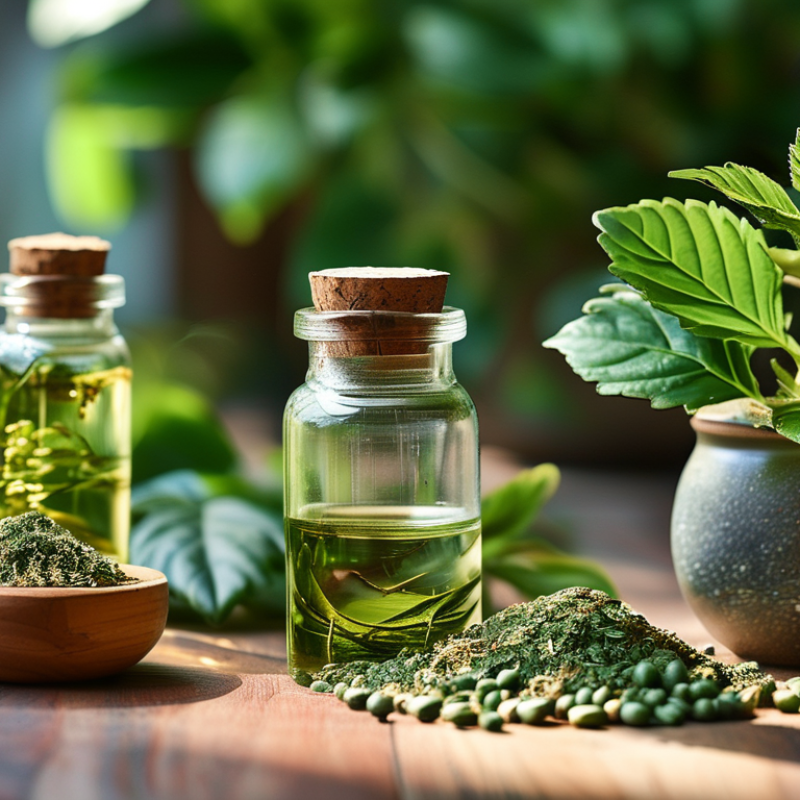
The Best Botanical Extract Ingredients for Global Buyers in 2026?

Emerging Trends in Botanical Extracts for 2026 Global Market

Emerging trends in botanical extracts for the 2026 global market present exciting opportunities. As consumers increasingly seek natural ingredients, the demand for plant-based formulations is soaring. We see a growing interest in adaptogens, herbs known for their stress-relief properties. Extracts such as ashwagandha and rhodiola are gaining traction. Consumers are looking for ways to enhance well-being naturally.

Sustainability is another key factor driving these trends. More companies are sourcing their extracts ethically. This shift influences buyers to favor suppliers who prioritize eco-friendly practices. Transparency in sourcing is becoming non-negotiable. Shoppers want to know the origin of their botanical ingredients.

Additionally, there is an intriguing rise in customized formulations. Brands are increasingly offering tailor-made solutions that cater to specific health needs. However, this poses challenges. Companies must navigate the complexities of consumer preferences and ingredient interactions. As the market evolves, staying informed and adaptable will be essential for success. The potential is vast, yet the journey is filled with uncertainties.

Key Botanical Ingredients with High Demand Among Buyers in 2026

As we look forward to 2026, certain botanical extract ingredients are poised to stand out among global buyers. In the realm of skincare, extracts such as adaptogenic herbs are gaining popularity. Ingredients like ashwagandha and reishi mushroom are revered for their stress-relief properties, attracting health-conscious consumers. These botanical extracts promise not only efficacy but also a connection to nature, which many buyers now seek.

In the dietary supplement sector, plant-based ingredients are trending. For instance, spirulina and moringa are well-known for their nutritional benefits. Spirulina is rich in proteins and essential nutrients, while moringa offers antioxidants and anti-inflammatory properties. However, sourcing these ingredients sustainably remains a challenge. Buyers must prioritize suppliers who adhere to ethical practices. Consumer demand also places pressure on suppliers to ensure the purity and authenticity of these extracts, making transparency crucial.

While the market is shifting towards natural ingredients, there is a lingering concern regarding quality control. The rise in demand often leads to oversight and potential adulteration of extracts. Buyers must remain vigilant in choosing reputable suppliers. Maintaining trust in botanical extracts hinges on the ability to trace the product's origin and verify its benefits. At this stage, collaboration across the supply chain can foster reliability and ensure that buyers receive the highest quality botanical ingredients.

Health Benefits of Popular Botanical Extracts for Consumer Products

The popularity of botanical extracts is rising. These ingredients offer a range of health benefits. Consumers seek natural alternatives in personal care and dietary products. According to a report by Grand View Research, the global botanical extracts market is expected to reach $28 billion by 2026.

Many popular botanical extracts provide significant health benefits. For instance, turmeric extract is known for its anti-inflammatory properties. Research shows that curcumin, derived from turmeric, can reduce chronic pain. Ginseng is another well-known extract that boosts energy and enhances mental clarity. A study by the National Institutes of Health found that ginseng can improve cognitive function in adults.

Tips: When exploring botanical extracts, focus on quality. Look for reliable suppliers that provide third-party testing results. Always stay informed about the potential side effects of these extracts. Sometimes, what seems beneficial may not suit everyone.

Bacopa monnieri is gaining attention for its cognitive enhancement capabilities. Some studies suggest it can improve memory recall. However, not every extract works the same for all individuals. It's crucial to approach botanical ingredients with a balanced view. Choices depend on individual health needs and preferences.

Sustainable Sourcing Practices for Botanical Extracts in 2026

In 2026, sustainable sourcing of botanical extracts is becoming crucial. Industry reports highlight that over 70% of consumers prefer products made from sustainably sourced ingredients. This shift is evident in the growing demand for certified botanical extracts. Labels such as organic and fair trade influence purchasing decisions significantly.

To meet these expectations, companies are revisiting their supply chains. Ethically sourced botanicals often lead to higher product prices. However, studies show that nearly 65% of retailers are willing to pay more for sustainable ingredients. This indicates a market trend toward valuing sustainability over cost in many sectors.

Transparency is key in sustainable sourcing. Buyers seek clear documentation of where and how ingredients are harvested. Yet, finding reliable suppliers can be challenging. Many businesses struggle with ensuring their sources meet sustainability standards. The industry's evolving landscape necessitates a commitment to continuous improvement in sourcing practices. Failure to adapt may lead to losing consumer trust. Thus, stakeholder collaboration is vital for advancing sustainable practices in botanical extract sourcing.

The Best Botanical Extract Ingredients for Global Buyers in 2026

This chart displays the projected demand for key botanical extract ingredients among global buyers in 2026. The following extracts are represented: Aloe Vera, Green Tea, Turmeric, Ginseng, and Lavender. The values indicate the anticipated demand based on sustainable sourcing practices.

Regulatory Considerations Impacting Botanical Extract Ingredients Globally

As the global market for botanical extracts expands, regulatory considerations are becoming increasingly vital. Each region has its own laws governing the use of these natural ingredients. This creates a complex landscape for manufacturers and suppliers. Understanding these regulations is not just essential; it is a legal necessity for sourcing and selling botanical extracts.

Regulations touch on quality control, safety standards, and labeling requirements. For example, some regions may impose stringent tests for pesticide residues. Compliance with these standards can impact production timelines and cost. Being unaware of these regulations can lead to substantial financial penalties. Moreover, countries may require specific certifications for botanical extracts. This adds another layer of complexity to the supply chain.

Navigating these diverse regulatory frameworks can be daunting. Manufacturers need to stay informed about changes in laws and standards. Controversies may arise if consumers question the authenticity or safety of ingredients used. Continuous education and adaptability become key strategies for businesses. A proactive approach towards regulatory changes can set reliable suppliers apart in a competitive market.

The Best Botanical Extract Ingredients for Global Buyers in 2026? - Regulatory Considerations Impacting Botanical Extract Ingredients Globally

Botanical Extract Source Plant Region Regulatory Status Market Demand
Chamomile Extract Matricaria chamomilla Europe Approved for use in cosmetics High
Green Tea Extract Camellia sinensis Asia Generally Recognized as Safe (GRAS) Very High
Aloe Vera Extract Aloe barbadensis miller Global Approved for food and cosmetic use High
Turmeric Extract Curcuma longa India Approved for dietary supplements Medium
Ginseng Extract Panax ginseng Asia Regulated as a traditional medicine High

FAQS

: What are popular botanical extracts for skincare?

: Adaptogenic herbs like ashwagandha and reishi mushroom are gaining popularity for their stress-relief properties.

Why are plant-based ingredients trending in dietary supplements?

Ingredients like spirulina and moringa offer rich nutritional benefits, appealing to health-conscious consumers.

What is the challenge in sourcing botanical ingredients?

Sustainable sourcing remains a challenge, requiring suppliers to follow ethical practices to meet consumer demand.

Why is transparency important in botanical extracts?

Consumers demand purity and authenticity, making it crucial for suppliers to provide clear product origin information.

What should buyers consider regarding quality control?

Increased demand may lead to oversight or adulteration, so buyers must choose reputable suppliers carefully.

What health benefits do botanical extracts provide?

Extracts like turmeric reduce inflammation, while ginseng boosts energy and enhances cognitive function.

How should consumers approach the use of botanical extracts?

It's important to focus on quality, seek reliable suppliers, and be aware of potential side effects.

What regulatory considerations affect botanical extracts globally?

Each region has its own laws regarding quality control, safety standards, and labeling, creating a complex landscape.

What penalties exist for ignoring regulations in botanical extract sourcing?

Non-compliance can lead to substantial financial penalties and harm business reputation.

How can manufacturers stay ahead in a competitive market?

They should continuously educate themselves about regulatory changes and adapt to maintain compliance and reliability.

Conclusion

The article "The Best Botanical Extract Ingredients for Global Buyers in 2026" highlights key emerging trends and high-demand botanical extract ingredients expected to shape the market in 2026. With a growing emphasis on health and wellness, consumers are increasingly seeking products that feature potent botanical extract ingredients known for their health benefits. This trend underlines the importance of sustainable sourcing practices, as buyers are more inclined to support ethically sourced materials that align with their values.

Additionally, regulatory considerations play a critical role in the botanical extract landscape, influencing the availability and formulation of these ingredients across different markets. As global demand for botanical extracts continues to rise, understanding these dynamics will be essential for suppliers and manufacturers aiming to meet consumer needs while adhering to stringent regulations. Overall, botanical extract ingredients are poised to remain a focal point in the development of innovative and health-conscious consumer products.

Jackson

Jackson

Jackson is a dedicated marketing professional with extensive expertise in our company’s product offerings. With a keen understanding of market trends and consumer needs, he plays a pivotal role in shaping our brand's narrative and outreach. His passion for innovation is reflected in the regular......