Industry Knowledge & Research

Botanical Insights & Scientific Trends

In-depth articles, technological advances, and market analyses in the global natural ingredients sector.

0%

Phyto Ingredient Solutions refers to plant-derived ingredients prepared for use in products such as skincare, foods, and personal care formulations. These materials may come from leaves, roots, seeds, flowers, or fruit. Their form depends on the intended use. A supplier might provide a powdered extract, an oil, or a water-based ingredient. The label alone, however, does not explain how well an ingredient performs.

Preparation matters. Harvest conditions, extraction methods, storage, and processing can affect an ingredient’s composition. Formulators therefore review details such as botanical identity, ingredient specifications, and available safety data. They also consider practical factors: Will an extract dissolve in the formula? Could its color change the product? Does it remain stable on a warm shelf? Small details matter. A vivid green extract may look appealing in a sample, then fade over time.

These ingredients are used to support specific product goals, including texture, fragrance, or a defined cosmetic function. Claims should match the evidence available for the particular ingredient and finished product. “Plant-based” is not the same as proven, gentle, or suitable for everyone. That distinction is easy to miss. Even familiar botanicals can vary, and individual reactions differ. Reliable development involves checking documentation, testing the finished formula, and describing benefits carefully. The term Phyto Ingredient Solutions can cover many different materials, so asking what the ingredient is, how it was prepared, and what evidence supports its use is a sensible starting point.
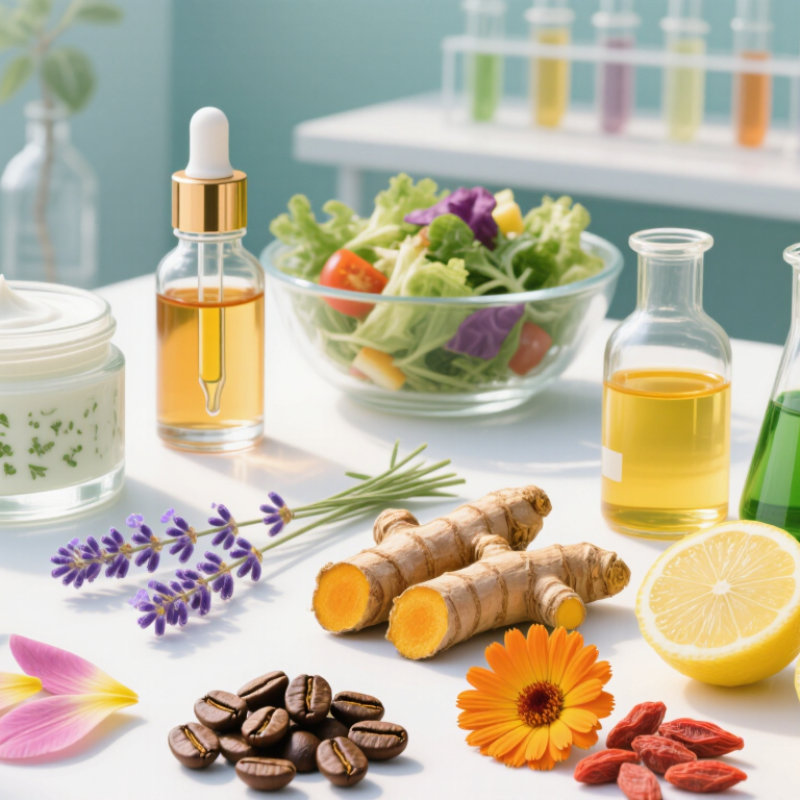
What Are Phyto Ingredient Solutions and How Are They Used?

What Phyto Ingredient Solutions Are

Phyto ingredient solutions are plant-derived materials prepared for a specific use. They can include whole-plant powders, oils, or extracts containing selected compounds. A dried green tea leaf, for example, may be ground into powder or extracted into a concentrated liquid. These forms differ in strength, flavor, and how they behave in a finished product.

The phrase describes more than the plant itself. It can include decisions about which plant part to use, how it is processed, and how its identity and quality are checked. A reliable specification may state the botanical name, plant part, extraction method, and marker compounds. Not every extract is identical. Growing conditions and processing can change its composition, so test results matter. Not automatically safer.

These ingredients may be used in foods, personal-care products, or supplements, depending on their properties and intended purpose. Formulators consider practical details such as solubility, color, scent, and stability. A strongly colored extract might tint a cream; an aromatic oil may alter a product’s scent. I would not assume that a traditional use proves a specific benefit. Evidence varies by ingredient, preparation, and application, and that uncertainty should remain clear.

What Are Phyto Ingredient Solutions and How Are They Used?

Phyto ingredient solutions use plant-derived compounds or extracts in products such as foods, beverages, supplements, and cosmetics. This chart compares the molecular weights of five representative phytochemicals; molecular weight describes the compounds, not their effectiveness.

Examples shown: curcumin from turmeric, quercetin from onions, catechin from tea, caffeine from coffee, and resveratrol from grapes. Uses depend on the ingredient, formulation, and applicable regulations.

Where Phyto Ingredients Come From

Phyto ingredients begin in identifiable plant tissues, not in a generic “green” category. Suppliers may use leaves, flowers, seeds, roots, bark, fruits, or algae, depending on the desired compounds. Chamomile flowers, citrus peels, and pressed seed oils show how specific a source can be. Some materials are farmed; others are wild-harvested or recovered from food-processing by-products. Origin matters. Climate, soil, harvest season, and drying conditions can alter an ingredient’s color, aroma, and composition.

The FAO’s 2019 State of the World’s Biodiversity for Food and Agriculture reports about 6,000 plant species cultivated for food. Yet nine crops account for 66% of global crop production.

This imbalance is a useful warning: botanical diversity does not guarantee a resilient ingredient supply.

Botanical identity checks, collection records, and batch testing help trace materials from field to extract. Kew’s 2023 State of the World’s Plants and Fungi estimates that 45% of flowering plant species may be at risk of extinction. That figure does not measure commercial ingredients directly, but it makes wild harvesting worth scrutiny. Traceability is uneven. Species names matter, as do harvest location and plant part, details often missing from casual product descriptions.

How Phyto Ingredients Are Processed and Formulated

Phyto ingredient solutions begin with a defined plant, plant part, and intended use. Leaves, roots, and seeds can yield different profiles, even when they come from the same species. After harvest, materials are sorted, cleaned, and dried under conditions suited to their moisture and sensitivity. They may then be cut or milled to support consistent extraction. The extraction method depends on which plant compounds are sought and how the ingredient will be used. Small details matter. Temperature, time, and solvent choice can affect the resulting extract. Processors check identity, composition, moisture, and relevant contaminants. A single marker compound is useful, but it does not describe every feature of a complex botanical extract.

Formulation turns that extract into a usable ingredient or finished product. Developers assess its solubility, taste, colour, and compatibility with other components. A fine powder may disperse well in a dry blend yet clump in a drink. Not every extract behaves alike. Heat, light, oxygen, and acidity can also affect stability, so prototypes are tested in realistic packaging and storage conditions. Carriers or protective coatings may help with handling or dispersibility, but they can change texture and concentration. Batch records and repeat testing help reveal variation over time. It is tempting to treat a plant extract as predictable; in practice, small shifts in harvest or processing can require formulation adjustments.

How Phyto Ingredient Solutions Are Used

Phyto ingredient solutions are plant-derived materials prepared for use in products such as creams, cleansers, and hair care. They may include botanical oils, extracts, or powders. Each form behaves differently. An oil can soften a balm, while a water-based extract may blend more easily into a lotion. The plant part, extraction method, and storage conditions can affect its color, scent, and performance.

How they are used depends on the formula. A formulator checks whether an ingredient mixes with water or oil, then tests its texture and stability in a small batch. For example, a green tea extract may add a botanical component to a facial lotion, but its color can shift during storage. Ingredient documentation helps teams confirm composition and recommended handling. Plant-derived does not automatically mean gentle or suitable for everyone. Skin sensitivity can vary, and a formula may need adjustment. This part is rarely tidy.

Tips: Add extracts gradually and record each test batch. Check the finished product’s scent, color, and texture over time. Try a small skin patch first, especially with unfamiliar ingredients.

What to Consider When Choosing Phyto Ingredients

What Are Phyto Ingredient Solutions and How Are They Used?

What to Consider When Choosing Phyto Ingredients

Choosing a phyto ingredient starts with the plant’s identity, not its marketing story. Check the Latin species name, plant part, growing region, and extraction method. A leaf extract and a root extract can have different chemical profiles. Ask for a certificate of analysis that reports key marker compounds and tests for contaminants. Batch consistency matters. So does stability: heat, light, and oxygen can change an extract during storage.

The market is expanding, but growth alone does not prove an ingredient works. Grand View Research’s 2023 Botanical Extracts Market report estimated the global market at USD 6.4 billion in 2022 and projected 9.1% annual growth from 2023 to 2030. That is useful context, not clinical evidence. Match the ingredient to its intended use, review relevant human studies, and check whether the tested extract resembles the one being considered. This step is often overlooked. It can also be difficult when studies use different doses or preparations.

Tips: Request the latest batch data, including identity, potency, and contaminant results. Compare the recommended dose with published research. If the supplier cannot explain the extract’s origin or specification, pause and ask more questions. A tidy label is not enough.

What Are Phyto Ingredient Solutions and How Are They Used? - What to Consider When Choosing Phyto Ingredients

Phyto Ingredient Solution Typical Plant Source or Component Common Product Uses What to Consider When Choosing Useful Quality Checks
Polyphenol-rich extracts Plant compounds found in sources such as tea leaves, grape seeds, and berries Food and beverage formulations, dietary supplements, and some topical products Identify the plant species and plant part; confirm the intended polyphenol profile and suitability for the product format. Species and plant-part identification; extraction-solvent details; assay method and results; contaminant testing.
Carotenoid ingredients Pigments such as beta-carotene, lutein, and lycopene, obtained from plant or algal sources Food coloring, fortified foods, supplements, and selected cosmetic formulations Review source, concentration, dispersibility, and sensitivity to oxygen, light, and heat. Confirm that the form is appropriate for the intended use. Identity and potency testing; carrier and dispersion information; stability data; packaging and storage recommendations.
Botanical oils and oleoresins Fixed oils or concentrated oil-soluble plant constituents from seeds, fruits, or other plant parts Foods, personal-care products, and topical formulations Check fatty-acid or marker-compound profile, oxidation risk, aroma, color, and compatibility with the formulation. Identity and composition testing; peroxide or oxidation indicators where relevant; allergen information; storage conditions.
Essential oils Volatile aromatic compounds, often obtained by distillation or expression of plant material Fragrance, flavoring, and selected topical or household products Assess intended-use regulations, concentration limits, sensitization potential, and whether the ingredient is suitable for the route of exposure. Botanical identity; chemical profile; purity and adulteration checks; safety assessment; applicable allergen declarations.
Plant fibers and prebiotic fibers Fibrous plant materials or isolated carbohydrates such as inulin from chicory root Foods and beverages, including products formulated to increase dietary fiber Consider fiber type, solubility, taste, texture, processing tolerance, and the amount that can be used without affecting product acceptability. Fiber-content specification; identity and purity; microbiological testing; applicable nutrition-labeling data.
Standardized botanical extracts Extracts adjusted to a defined range or level of selected marker compounds Supplements, foods, cosmetics, and other products where permitted Standardization improves batch consistency for specified markers, but does not by itself establish efficacy. Check the evidence for the exact extract and intended use. Marker-compound specification; validated analytical method; batch certificate of analysis; residual-solvent and contaminant results.
Whole-plant powders Dried and milled leaves, roots, fruits, seeds, or other identified plant parts Powdered foods, beverages, capsules, and topical products where appropriate Review species, plant part, particle size, taste, microbial risk, and variability associated with growing and harvesting conditions. Botanical authentication; moisture and microbiological limits; heavy-metal and pesticide testing; traceability records.
Plant-derived colorants Pigments such as anthocyanins, chlorophylls, or betalains from suitable plant sources Food and beverage coloring, and selected personal-care applications Confirm permitted use in the target market. Check color performance across the product’s pH, light, heat, and storage conditions. Color strength and identity; applicable regulatory status; stability data; purity and contaminant specifications.
Plant-derived aroma and flavor extracts Extracts or distillates from herbs, spices, fruits, and other edible plants Foods, beverages, oral-care products, and fragrance applications Match the extract to the intended product and exposure route. Evaluate flavor or aroma intensity, solubility, stability, and applicable use restrictions. Ingredient identity; composition and purity; allergen and carrier details; food-grade or other relevant specifications.
Selection checklist Applies to all phyto ingredient solutions Supplier qualification, product development, and quality assurance Define the intended function and market first. Evaluate safety, evidence, formulation compatibility, supply consistency, sustainability, and regulatory requirements. Current technical specification; certificate of analysis for each batch; safety and regulatory documentation; traceability; stability and storage guidance.

FAQS

What are phyto ingredient solutions?

They are plant-derived powders, oils, or extracts prepared for specific uses. A dried leaf may become powder or concentrated liquid.

Which plant parts can be used?

Leaves, flowers, seeds, roots, bark, fruits, and algae can provide different compounds. Chamomile flowers and citrus peels are examples.

Why does plant origin matter?

Climate, soil, harvest season, and drying can change color, aroma, and composition. Traceability helps identify species, location, and plant part. Details matter.

Are extracts from the same plant always alike?

No. Growing conditions and processing can change composition, so identity checks and batch testing are useful. Not automatically safer.

How are phyto ingredients processed?

Materials are cleaned and dried, then cut or milled before extraction. Temperature, time, and solvent choice affect the resulting profile.

What do formulators check?

They assess solubility, taste, color, scent, and compatibility. A powder that disperses in a dry blend may clump in a drink.

How can storage affect extracts?

Heat, light, oxygen, and acidity may reduce stability. Testing in realistic packaging can reveal changes over time. Small shifts matter.

Does traditional use prove a specific benefit?

No. Evidence depends on the ingredient, preparation, and application. I would not assume tradition proves a benefit.

Conclusion

Phyto Ingredient Solutions are plant-derived ingredients prepared for use in products such as foods, cosmetics, and personal care formulations. They can come from many parts of a plant, including leaves, roots, seeds, flowers, and fruits. The source plant and the specific part used help determine the ingredients’ characteristics and potential applications.

To create a suitable ingredient, plant materials may be cleaned, dried, extracted, and refined, then formulated for consistency and ease of use. These solutions can serve different purposes depending on the product, such as contributing color, aroma, texture, or other plant-based qualities. When choosing Phyto Ingredient Solutions, it is important to consider the intended application, the ingredient’s origin and processing method, its stability, and how well it fits with the other components in the formulation.

Madeline

Madeline

Madeline is a dedicated marketing professional with a deep expertise in her company's product offerings. With a strong background in strategic marketing and communication, she plays a pivotal role in crafting impactful content that engages and informs our audience. Madeline is known for her ability......